
You open the drawer and reach for a pair. The waistband has gone slack; it doesn't sit where it used to, it rolls down by lunchtime, and the fabric feels thinner than the day you bought it. Right next to it is a pair from the same era that still holds its shape, still grips where it's supposed to, still feels new. Same washes. Same wear. Very different outcome.
That gap isn't bad luck. And it isn't about how carefully you did laundry.

What's Actually Killing Your Underwear?
Three things quietly decide how long a pair of men's underwear lasts, and none of them happens in your washing machine. They happen before the pair ever reaches you.
The first is a weak waistband core. A waistband isn't just elastic wrapped in fabric – it's a band with a core (usually rubber or a woven elastic yarn) that determines how much stretch it can take before it stops bouncing back. A cheap core loses its recoil in a few months. That's what turns a snug waistband into one that digs in on day one and gives up entirely by week twelve.
The second is thin, low-grade fabric. Underwear fabric works hard: constant stretch, constant friction, constant washing. A fabric that isn't dense enough to begin with goes sheer, loses its shape, and stops bouncing back to the body the way it should. This isn't a wear-and-tear problem. It's a fabric-weight problem that existed before the first wash.
The third is weak seam construction. Underwear has more stress points than almost any other garment – the leg openings, the waistband join, the pouch seam. A seam that's stitched rather than properly flat-locked will fray, curl, or start chafing months before the fabric around it gives out.
Why the Waistband Decides Everything
Not all waistbands are built the same, and this is the single biggest factor in how underwear ages.
A basic elastic waistband uses a single, thin elastic core sewn under a fabric casing. It works fine on day one. But the core has limited stretch-recovery, so it thins out and loses grip within a few months – which is exactly when a waistband starts digging in or, just as often, giving up and rolling down.
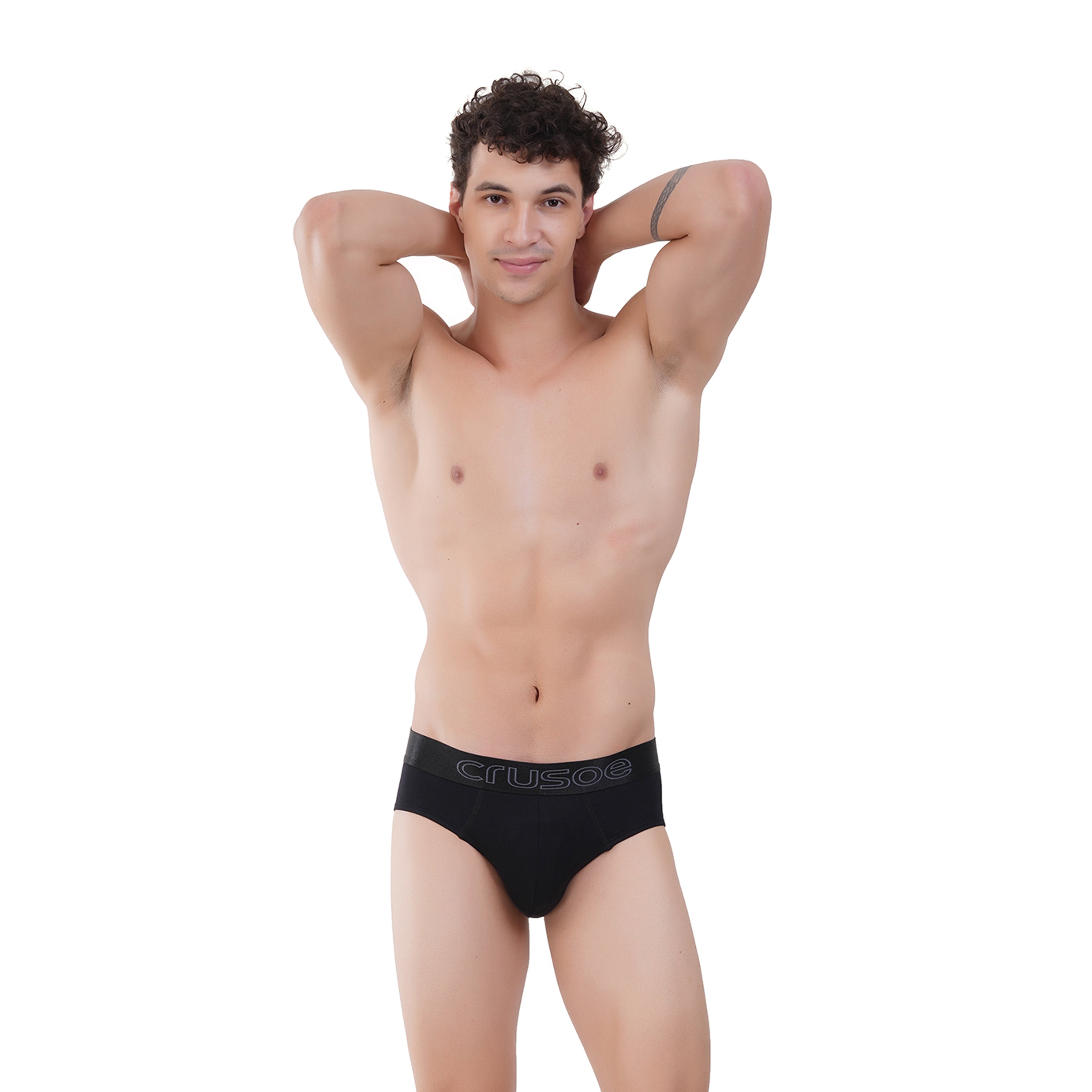
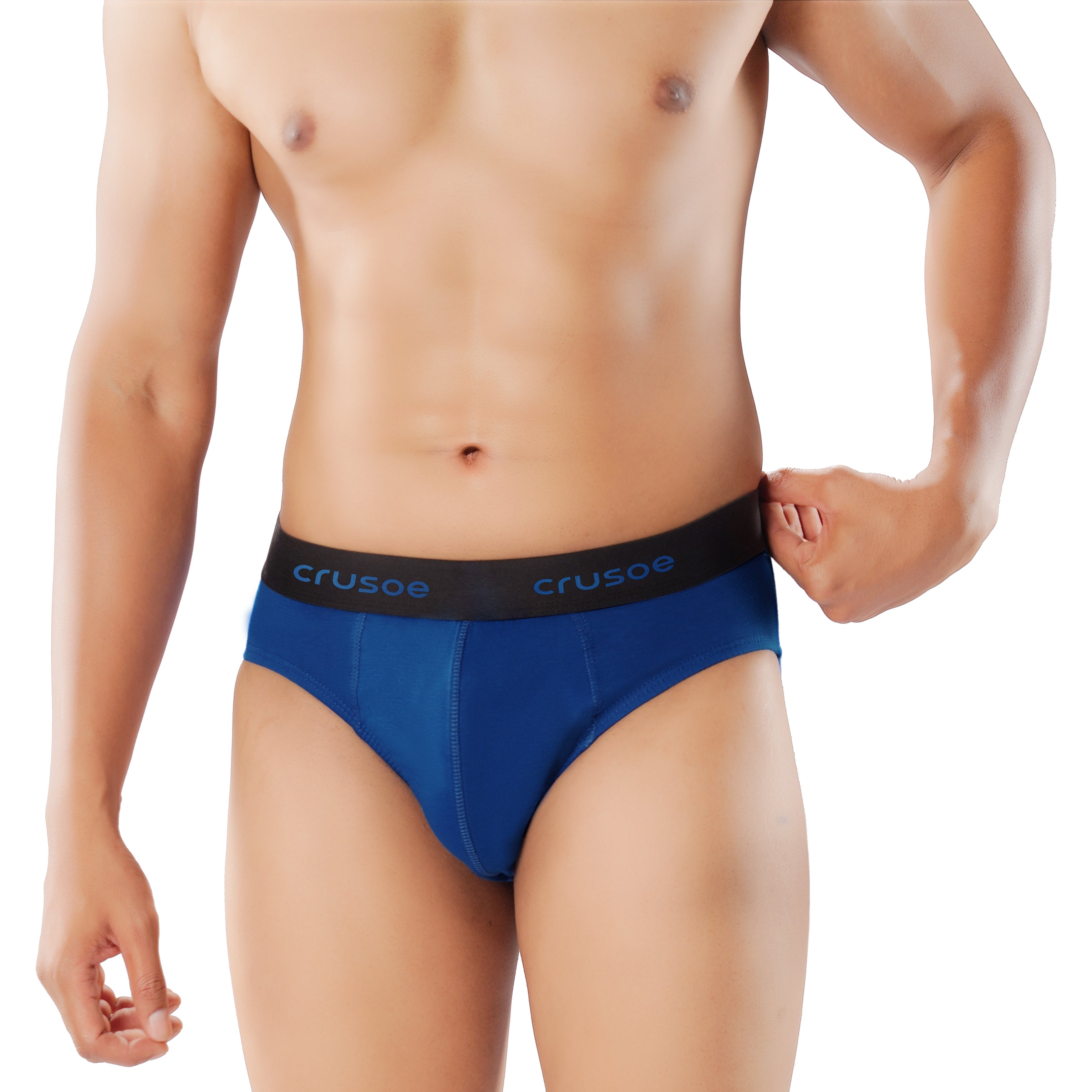
A non-digging waistband built with a wider, multi-strand elastic core spreads pressure evenly around the waist instead of concentrating it at one point. It holds its shape through hundreds of stretch cycles, not dozens, and it's the difference between a waistband that still feels the same at month six and one that's already been replaced twice.
The fabric matters here too. Combed cotton, cotton that's been processed to remove shorter, weaker fibres, holds its weave tighter and resists thinning far longer than regular cotton. Where the budget really shows up is at month four, not day one.

The Underwear That Actually Passes the Wash Test
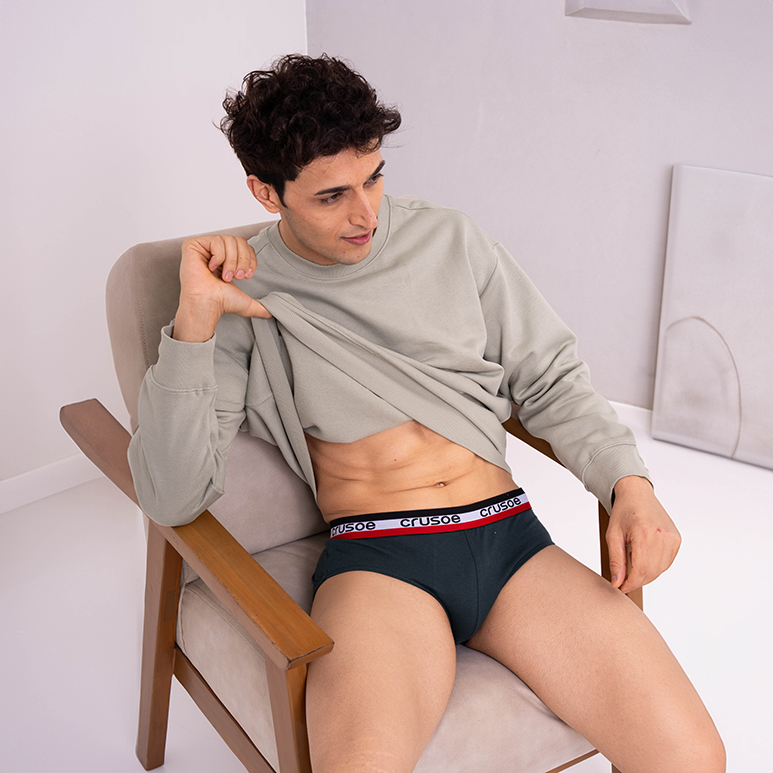
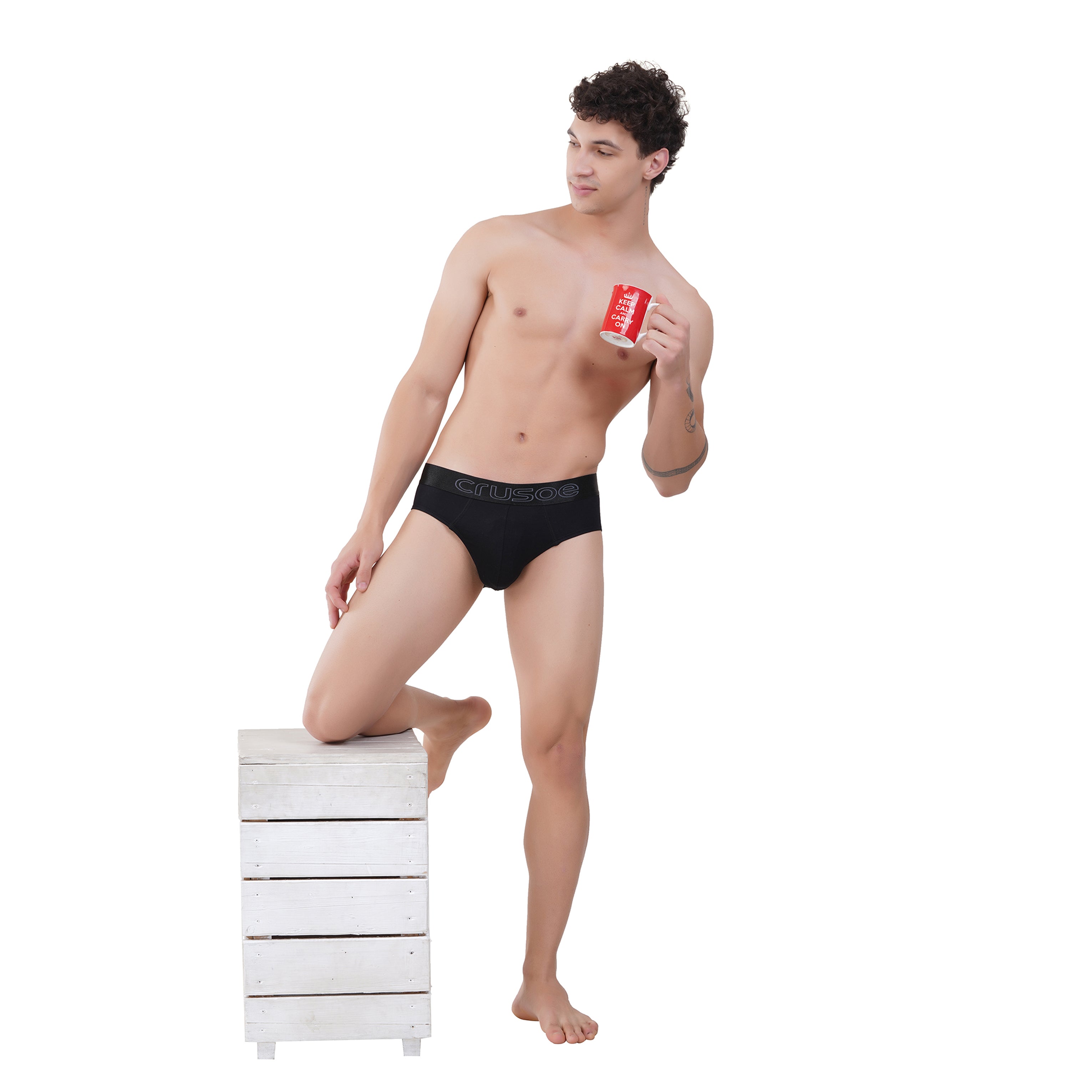
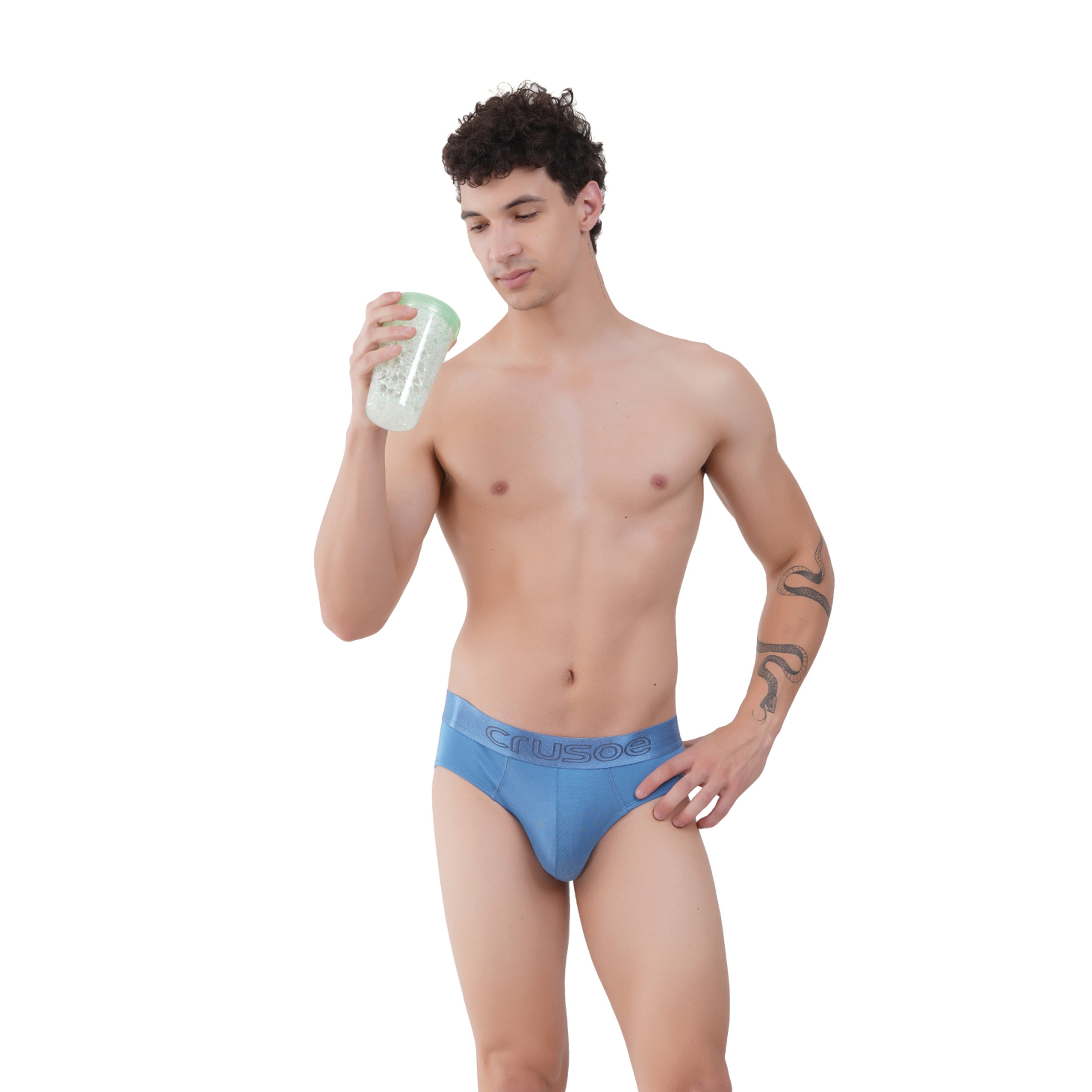
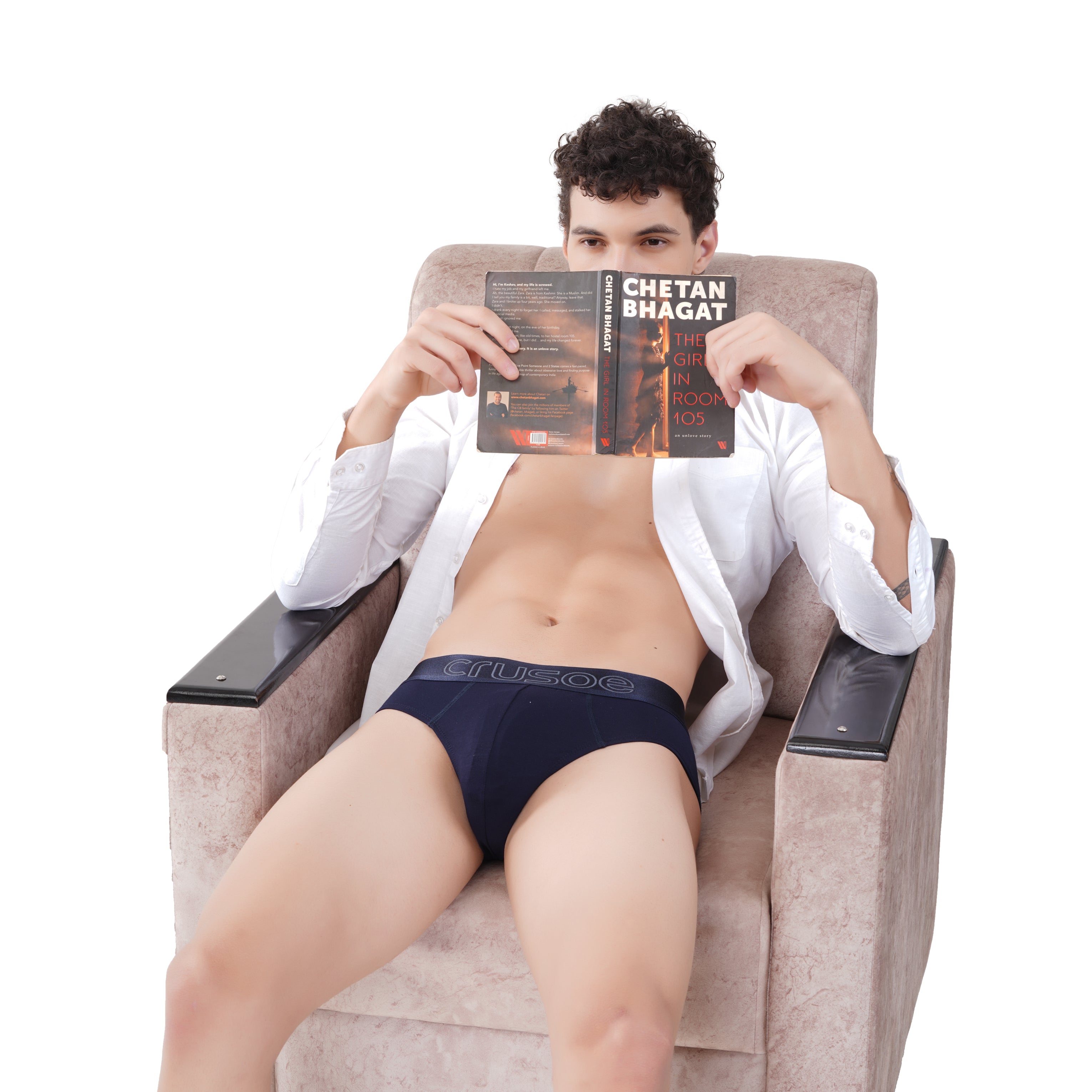
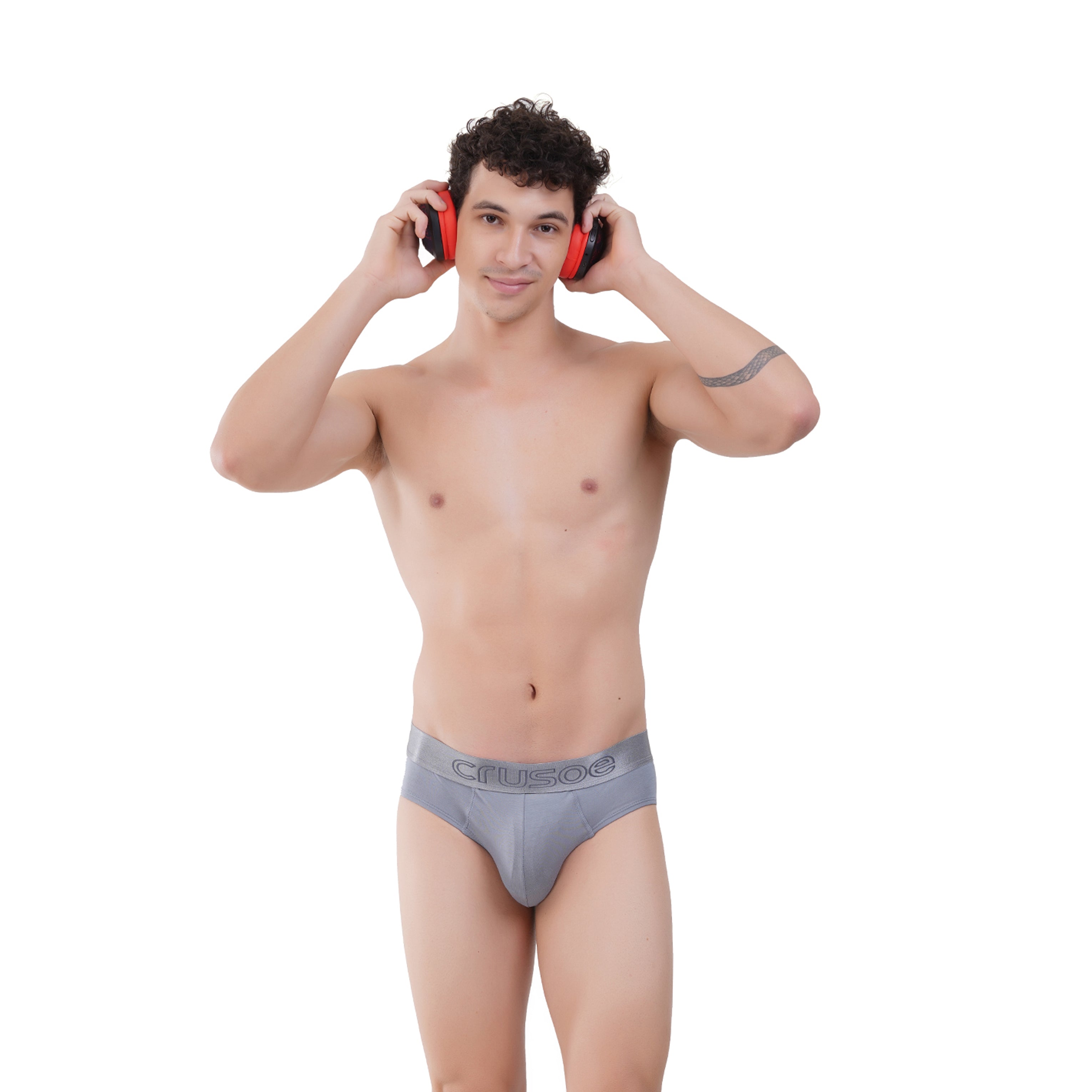
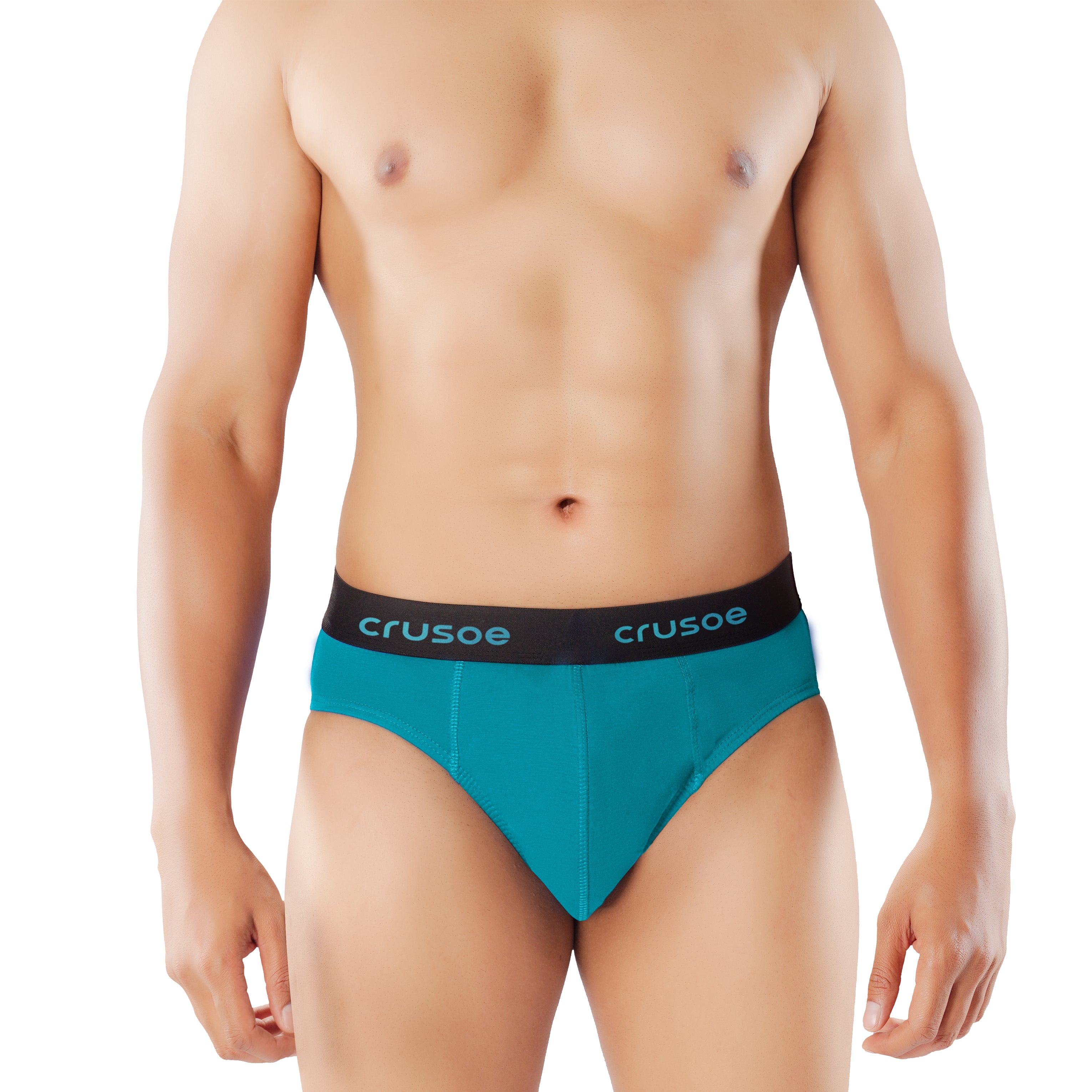
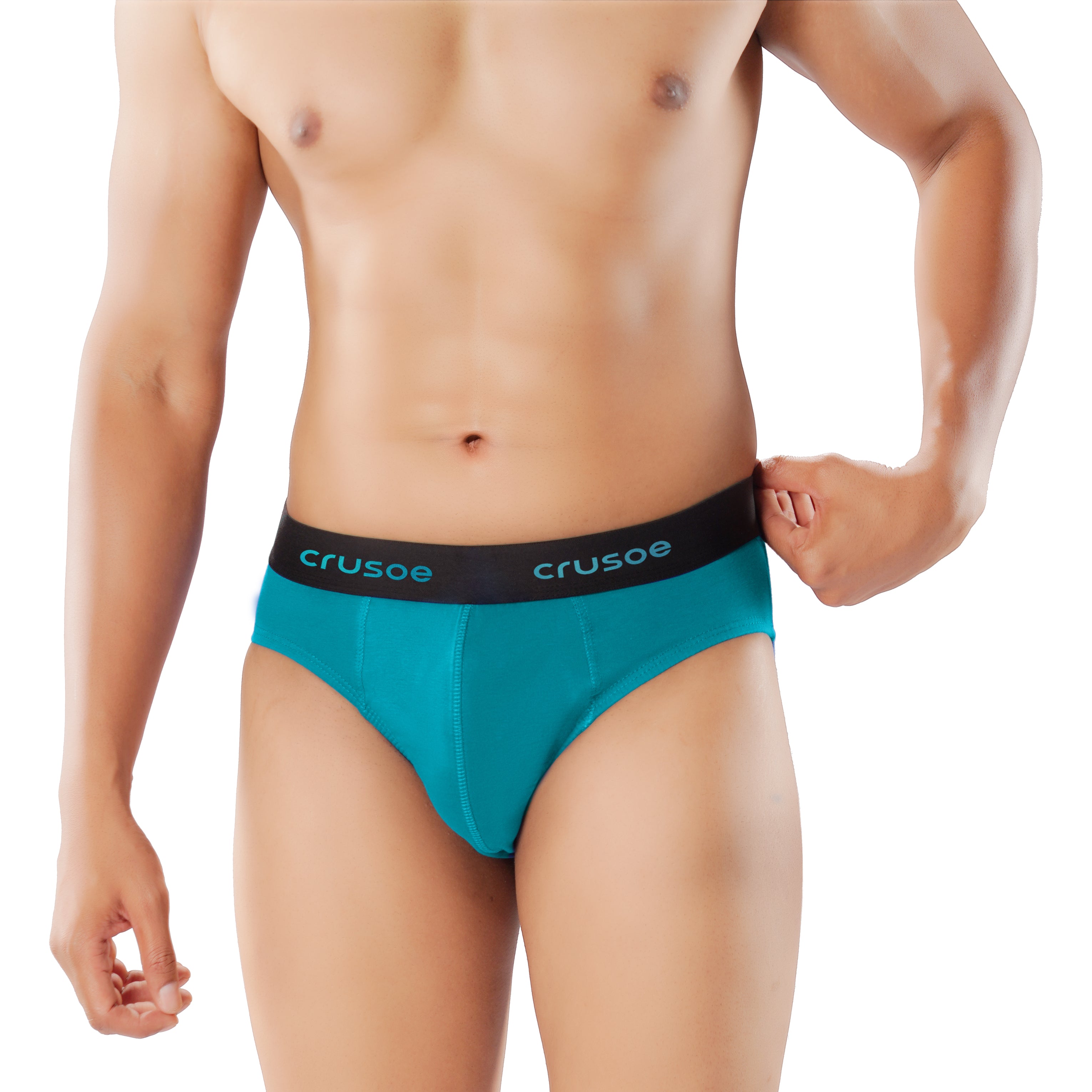
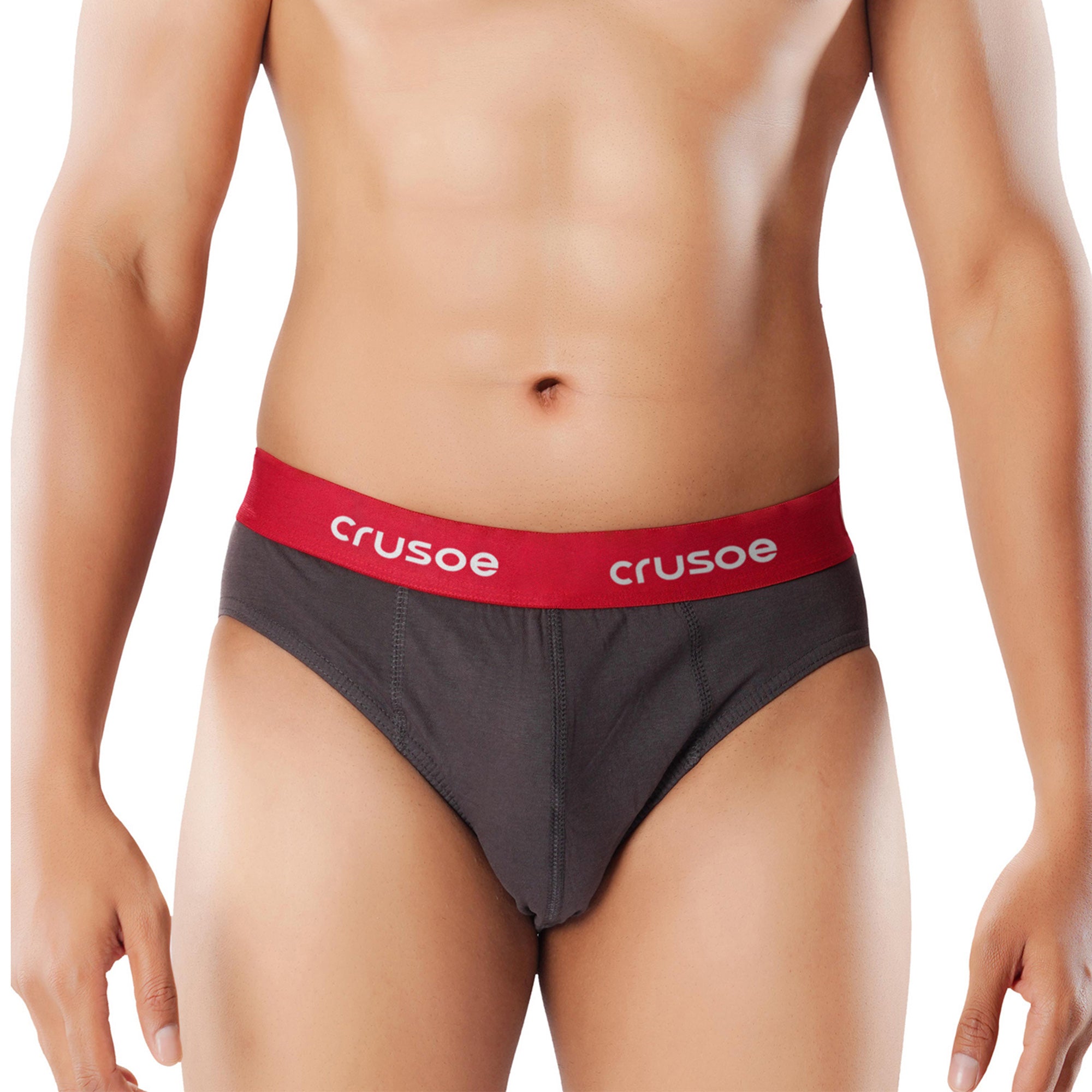
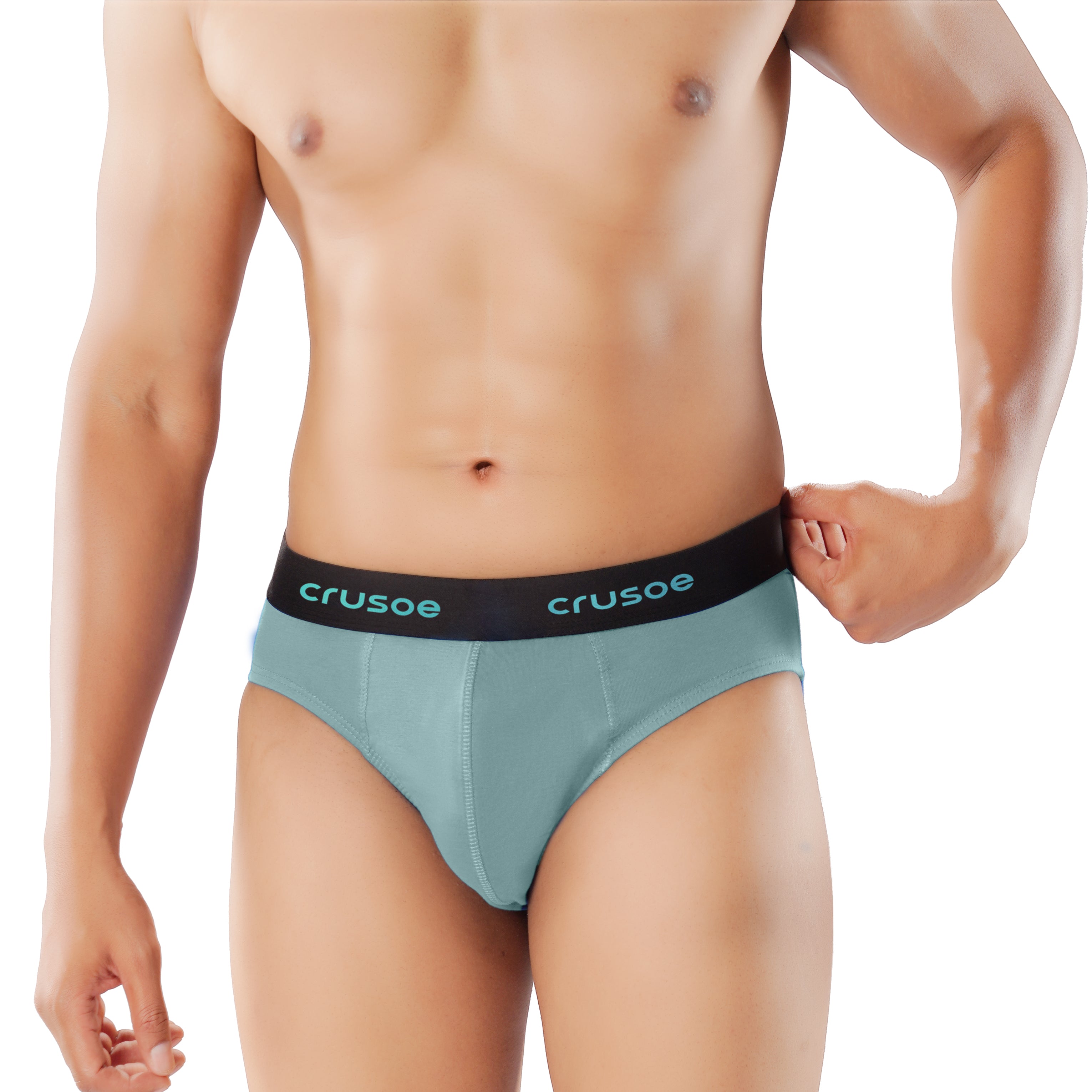
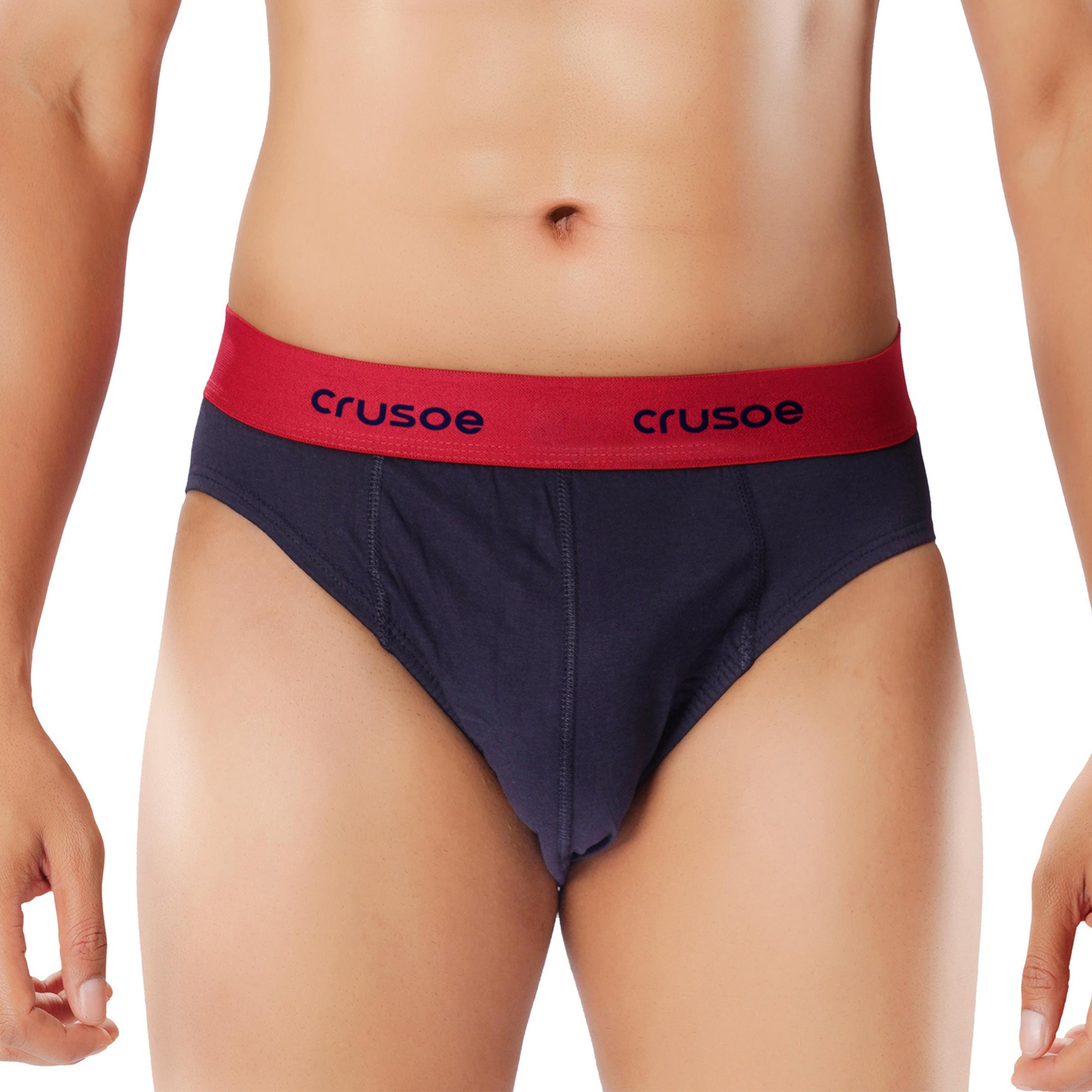
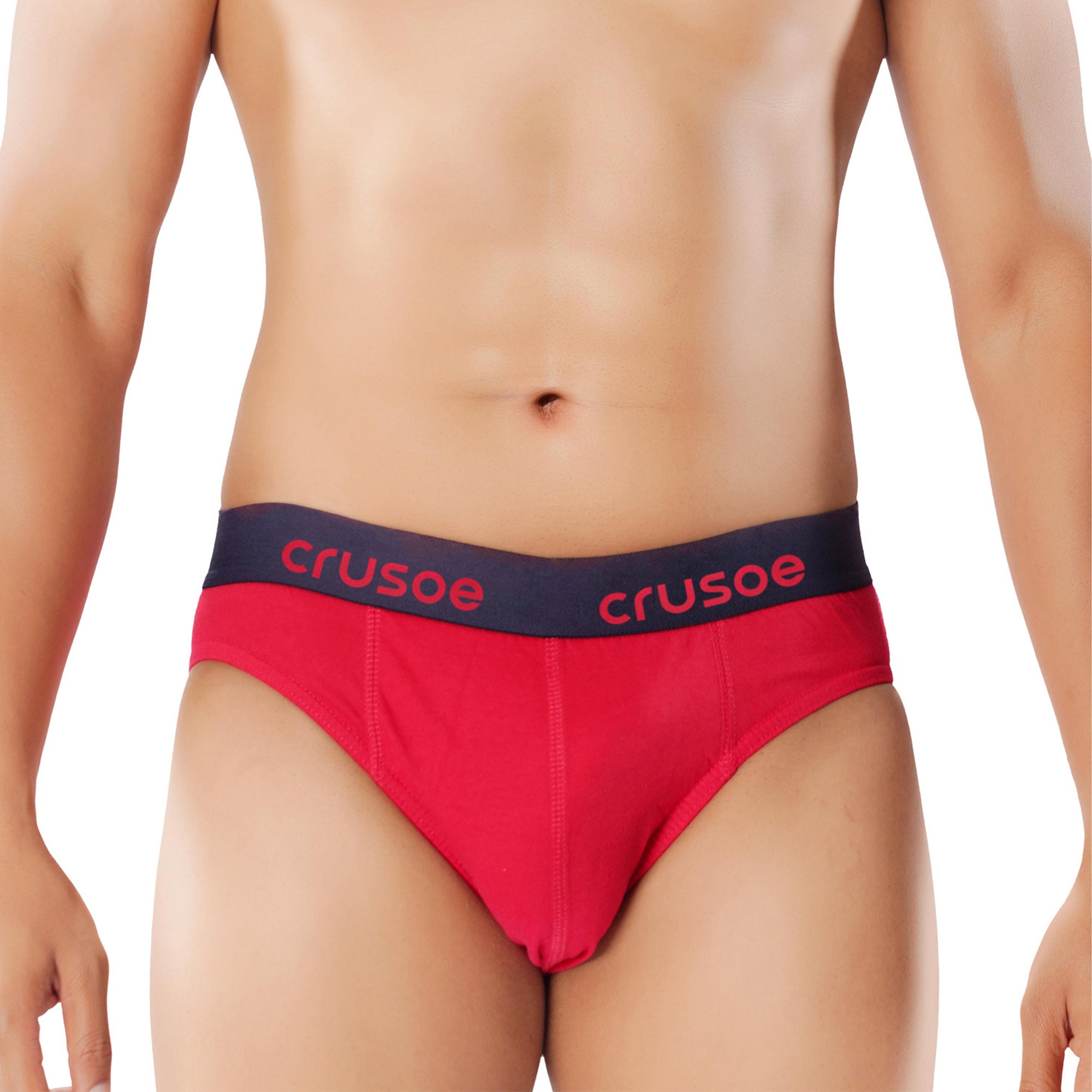
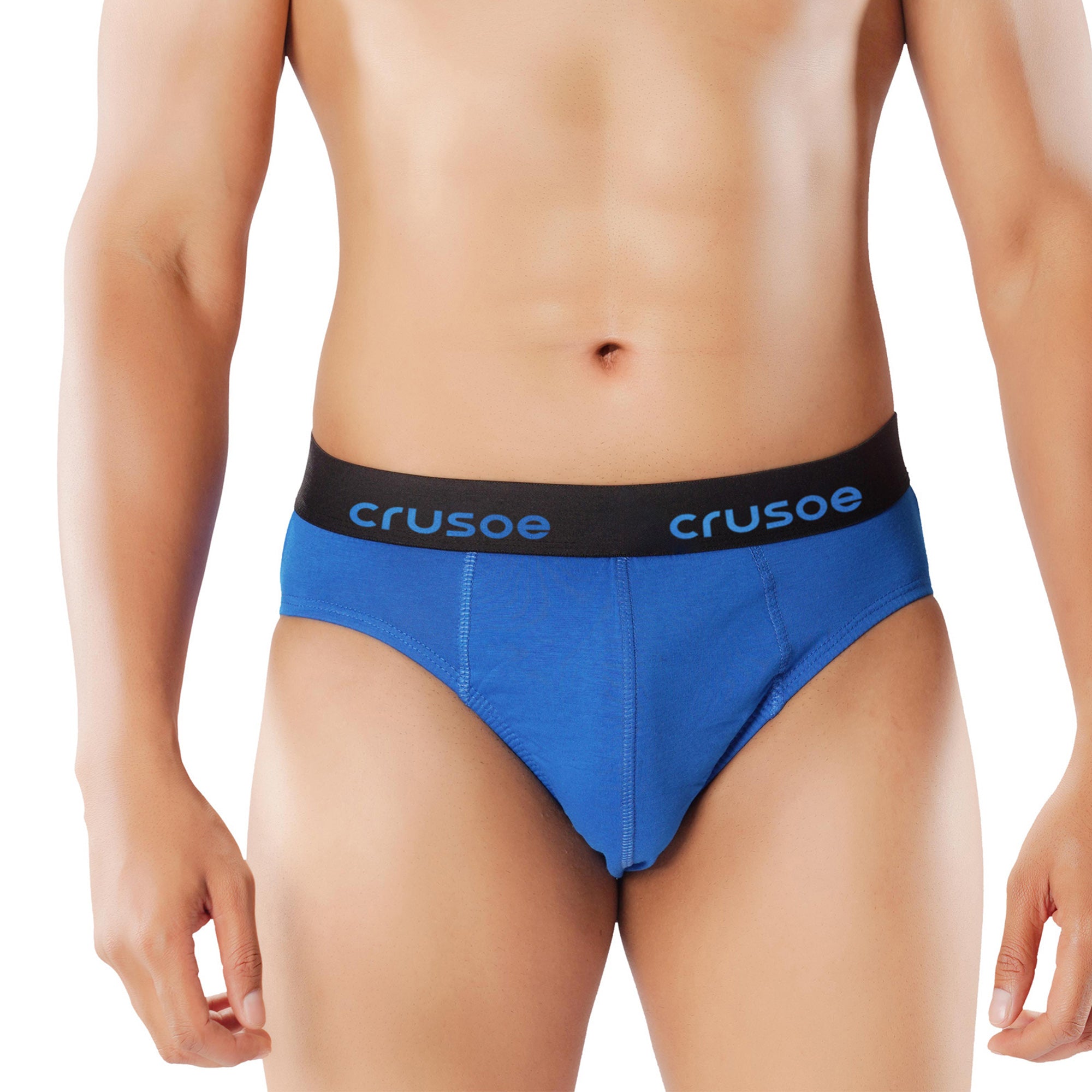
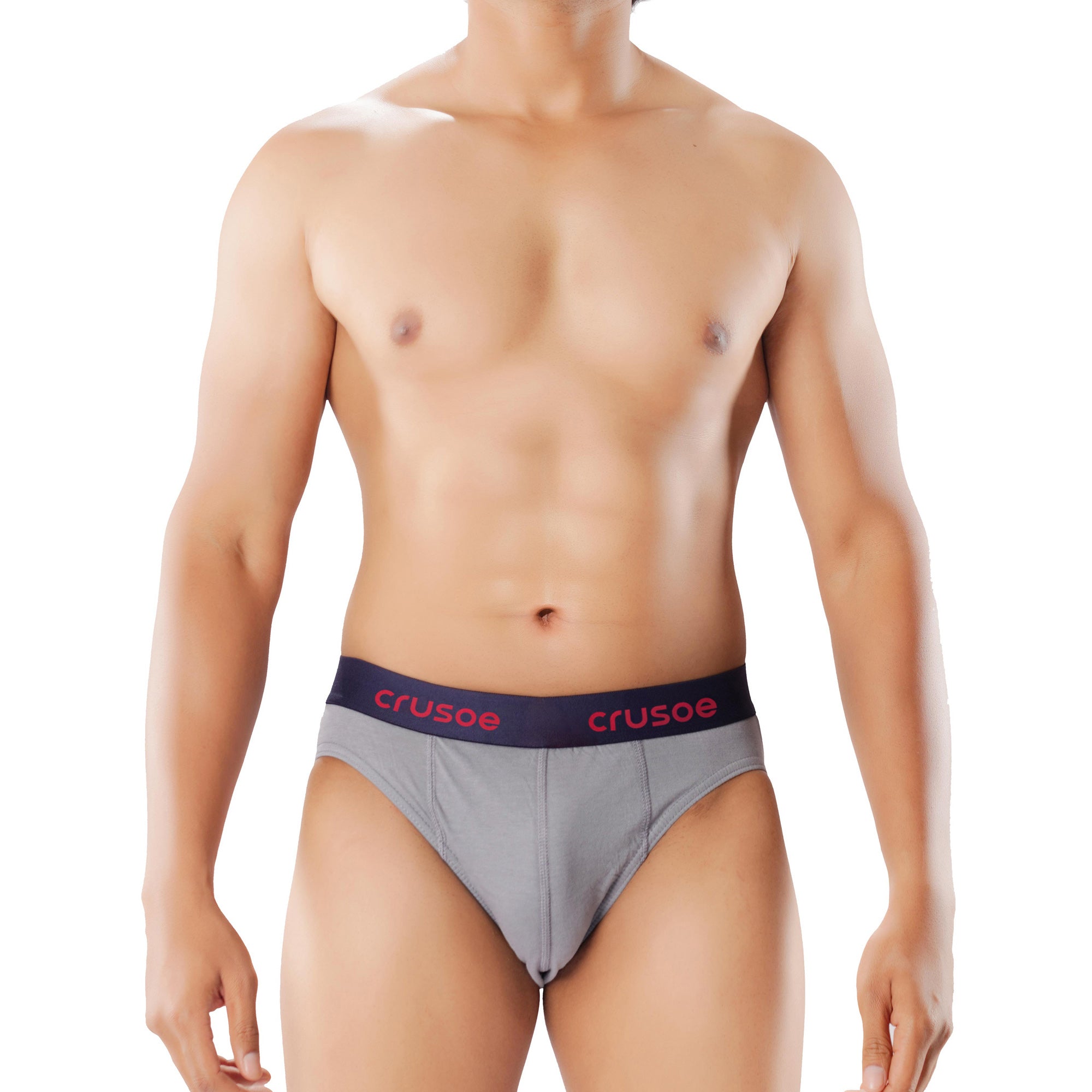
For the Daily Rotation: If you're the kind of person who's in and out of a pair every single day, construction matters as much as fabric. Crusoe's combed cotton trunks and briefs are built with a wide, non-digging waistband that holds its shape wash after wash, so the slack, rolled-down waistband problem never starts. This is the everyday pick – for the commute, the workday, the errand run.
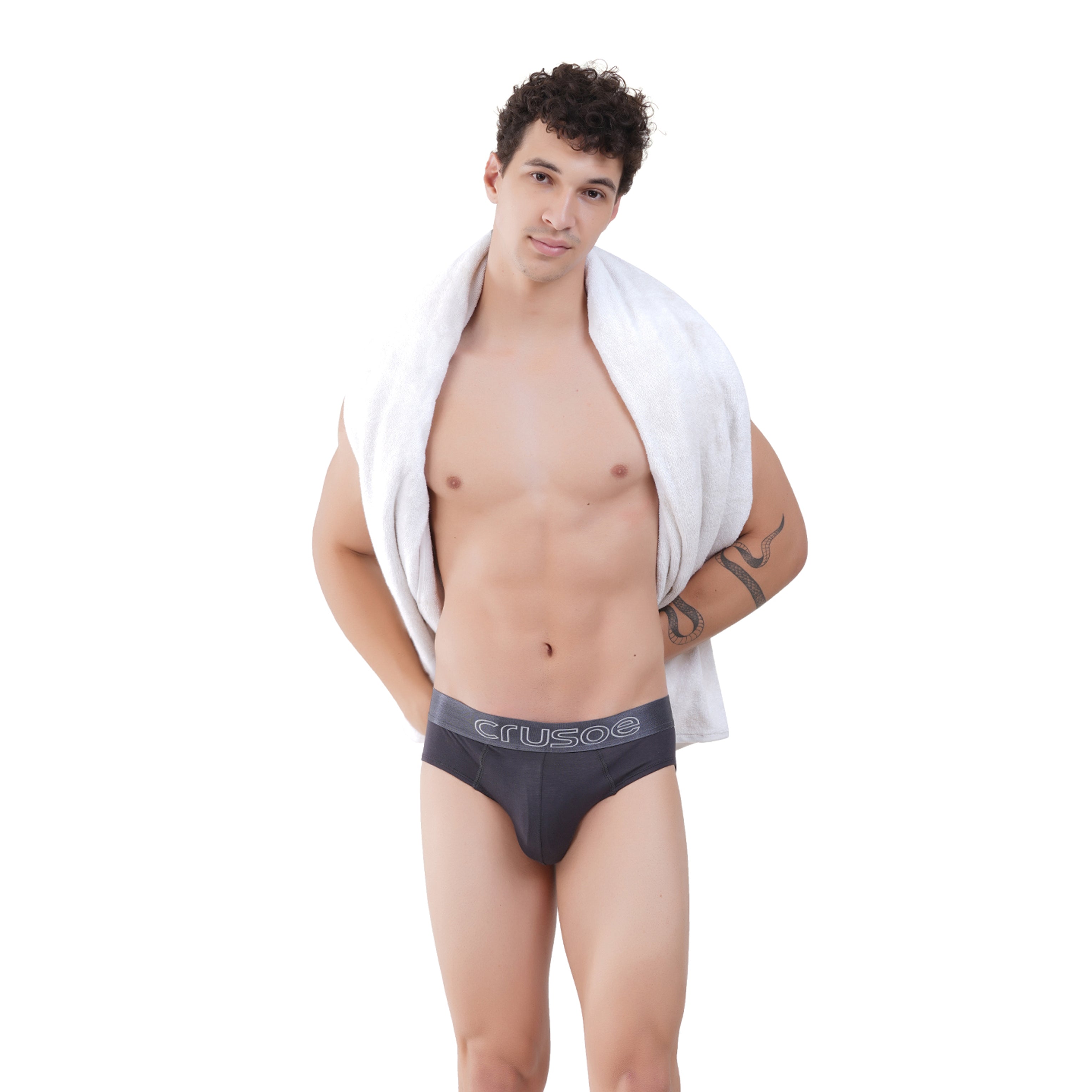
For the Long Haul: When you want underwear that holds up rather than quietly deteriorating, Crusoe's bamboo cotton and Micro Modal ranges are built from denser, longer-wearing fabric that resists thinning and keeps its shape through repeated washes far longer than a basic cotton blend. Think of it as the pair you buy once and stop thinking about.
For All-Day Movement: The most common failure point in regular underwear is the fit shifting the moment you sit, walk, or move for a stretch of hours. Crusoe's no-ride-up fit is built with flat-locked seams and a waistband engineered to move with the body, so the fit stays exactly where it started – no constant readjusting by evening.

Does the Same Rule Apply to Boxers and Vests?
It does. The same waistband-core and fabric-grade logic carries across the full Crusoe range; it's worth knowing before buying a boxer or lounge vest expecting it to hold up like a premium piece. Whether it's a trunk, brief, boxer, or vest, the underlying question is the same: what's the waistband core made of, and what's the fabric grade behind the softness? That's what decides whether it's still in rotation a year from now, or in the bin.

Buy Once, Wear Right
You already know what worn-out underwear looks like at the end – a waistband that's stopped gripping, a fabric that's gone see-through, a fit that needs constant adjusting. Each time, it feels like the pair just didn't last. And each time, the real answer was sitting in the waistband core and the fabric grade, decided long before it reached the drawer.
Once you know that, buying underwear changes. You stop picking by price alone and start asking what's actually inside the waistband and how dense the fabric is. You buy fewer pairs, but the right ones, and you keep them for years, not months.
Explore Crusoe's full range – trunks, briefs, boxers, and lounge vests – built to hold their shape, at crusoeworld.com.