
Monsoon arrives, and suddenly everything feels... off. You're not soaked in rain. You're not standing in a puddle. But there's this low-level discomfort that follows you around all day - a bit of chafing here, a bit of itching there, and by afternoon, a smell that has no business being that strong.
Here's the thing: the weather isn't entirely to blame. Your innerwear might be doing most of the damage.
Why Monsoon Discomfort Always Hits the Same Spots
Monsoon discomfort has a pattern. It's not just about getting wet - it's the humidity that sticks around all day, even when the rain has stopped. You're going about your routine, and somewhere around midday, there's that familiar friction. A bit of irritation near the waistband. Some chafing in places you'd rather not think about.
Most of the time, that discomfort is pointing directly at your vest and underwear - specifically, at fabric that isn't doing its job and a fit that isn't holding up. When innerwear bunches, rides up, or digs in, it creates friction points. In high humidity, that friction becomes a lot harder to ignore.
It's not a weather problem you have to just live with. It's a fit and fabric problem that the monsoon simply makes impossible to ignore.
The Odour That Outlasts Every Wash Cycle
You washed it. You definitely washed it. And yet.
The honest answer: odour that survives a wash cycle is usually a fabric problem. Certain synthetic blends in cheap mens vests, trunks, and briefs tend to hold onto smell even after cleaning, and over time, with repeated use and monsoon-slow drying, it stops being something a wash cycle can fix. It becomes part of the fabric.
The second issue is incomplete drying. Monsoon means everything takes longer to dry indoors. Your mens t shirt, your track pants, your vest - all of it takes longer. Inner garments going back on slightly damp, day after day, makes the problem worse each time.
The fix isn't a stronger detergent. It's premium innerwear for men that doesn't hold onto odour in the first place, and enough pairs in rotation to let each one dry fully before it's worn again.

Not All Fabric Survives an Indian Monsoon
Most men have never really thought about what their innerwear is made of. You buy it, you wear it, you wash it. That's the entire relationship.
But fabric matters - especially in a country where you're dealing with heat and humidity for most of the year. The wrong fabric in a mens vest or a pair of track trousers doesn't just feel uncomfortable. It actively works against you.
Heavy cotton that holds moisture. Rough textures that cause friction. Elastic that loses its shape and bunches instead of sitting flat. These aren't just minor annoyances; over a full day, they add up to serious discomfort.
What actually works in monsoon is fabric that's soft against the skin, lightweight enough to allow some breathability, and structured well enough that it doesn't shift around. Your mens vest, your trunks, your black track pants or grey track pants - all of it is in contact with your skin for 12 to 16 hours a day. What it's made of is not a small detail.
When to Let Go (You Know Which Pair We're Talking About)
No judgment here. But there is a real answer to this question.
Inner garments for men have a lifespan. Elastic stretches out and loses its hold. Fabric thins in the spots that see the most friction. Seams weaken. And the older a pair gets, the less effectively it does its job; which means more bunching, more riding up, more contact between worn fabric and skin.
In monsoon specifically, older innerwear performs even worse. The fit breaks down. The fabric structure gives. What was mildly uncomfortable in winter becomes genuinely irritating in July - whether it's a worn-out mens vest online purchase from two years ago or a pair of track pants that have seen better days.
If you've had a pair for over a year and you can't remember buying it, that's probably your answer.
The Short List That Actually Makes a Difference
No complicated routines. Just a few things that genuinely make a difference:
Prioritise softness and fit over everything else. Whether it's a mens vest, trunks, or jogging pants - fabric that's rough or innerwear that digs in will be uncomfortable no matter how premium the brand claims to be. It needs to sit comfortably without effort.

Let it dry completely. This sounds obvious, but it's the most skipped step in monsoon. Inner garments going back on even slightly damp is an issue waiting to happen. If you don't have enough pairs to let each one dry fully, that's a separate problem worth solving.
Check your waistband. On a mens track pant or a brief, a waistband that leaves a mark is too tight. One that folds over or rolls isn't doing anything useful. It should sit flat and stay there - no digging, no movement.
Don't stretch a pair past its life. Replace when the elastic is gone or the fabric has thinned. The best vest or the best track pants for men is the one that still actually fits - not the one you've been holding onto since last monsoon.
Better Innerwear - That's Genuinely It
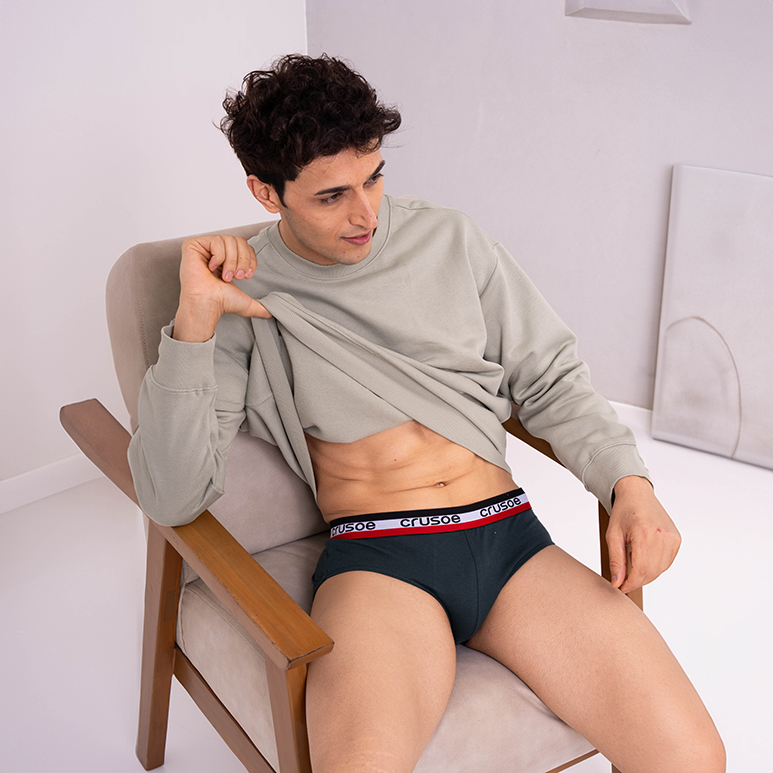
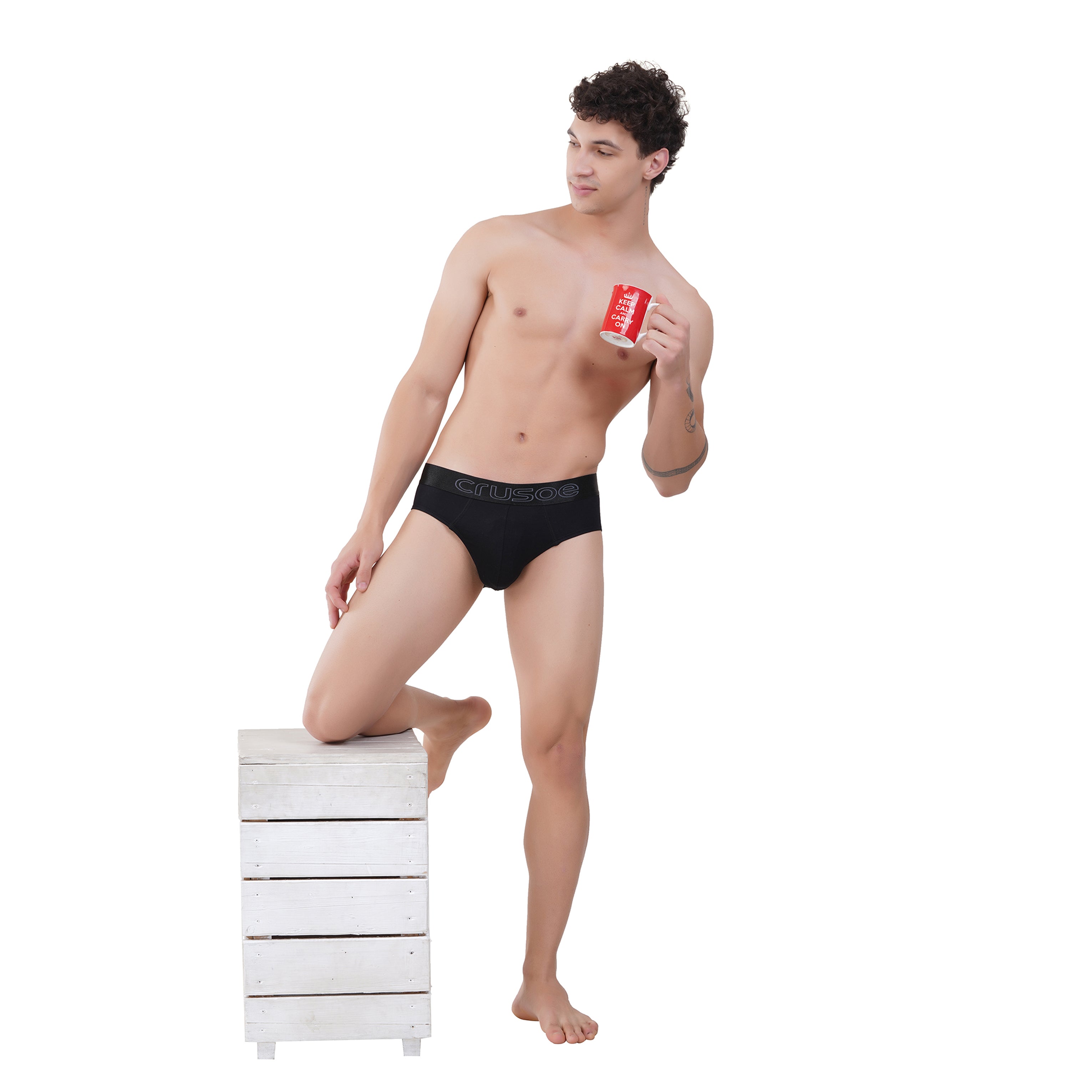
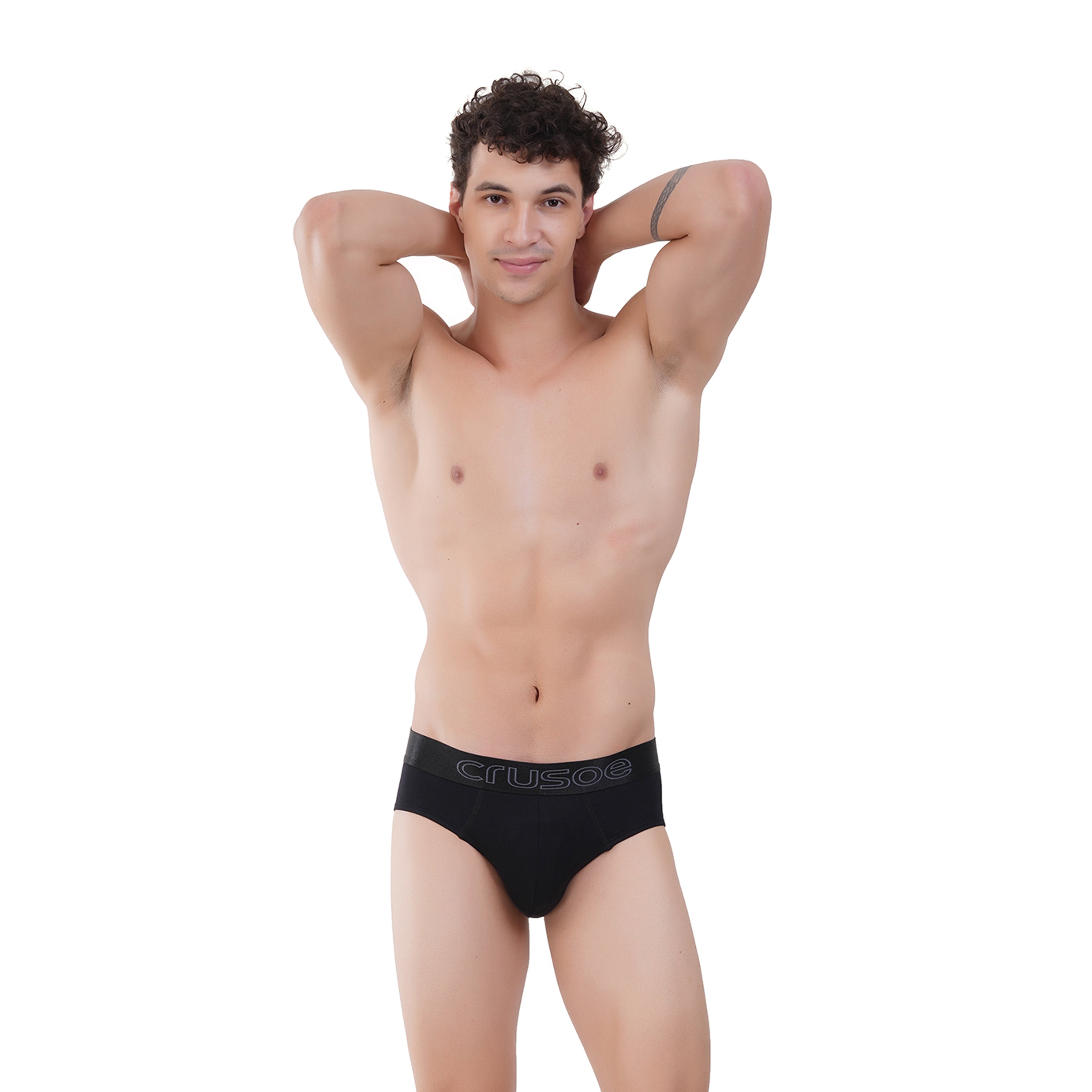
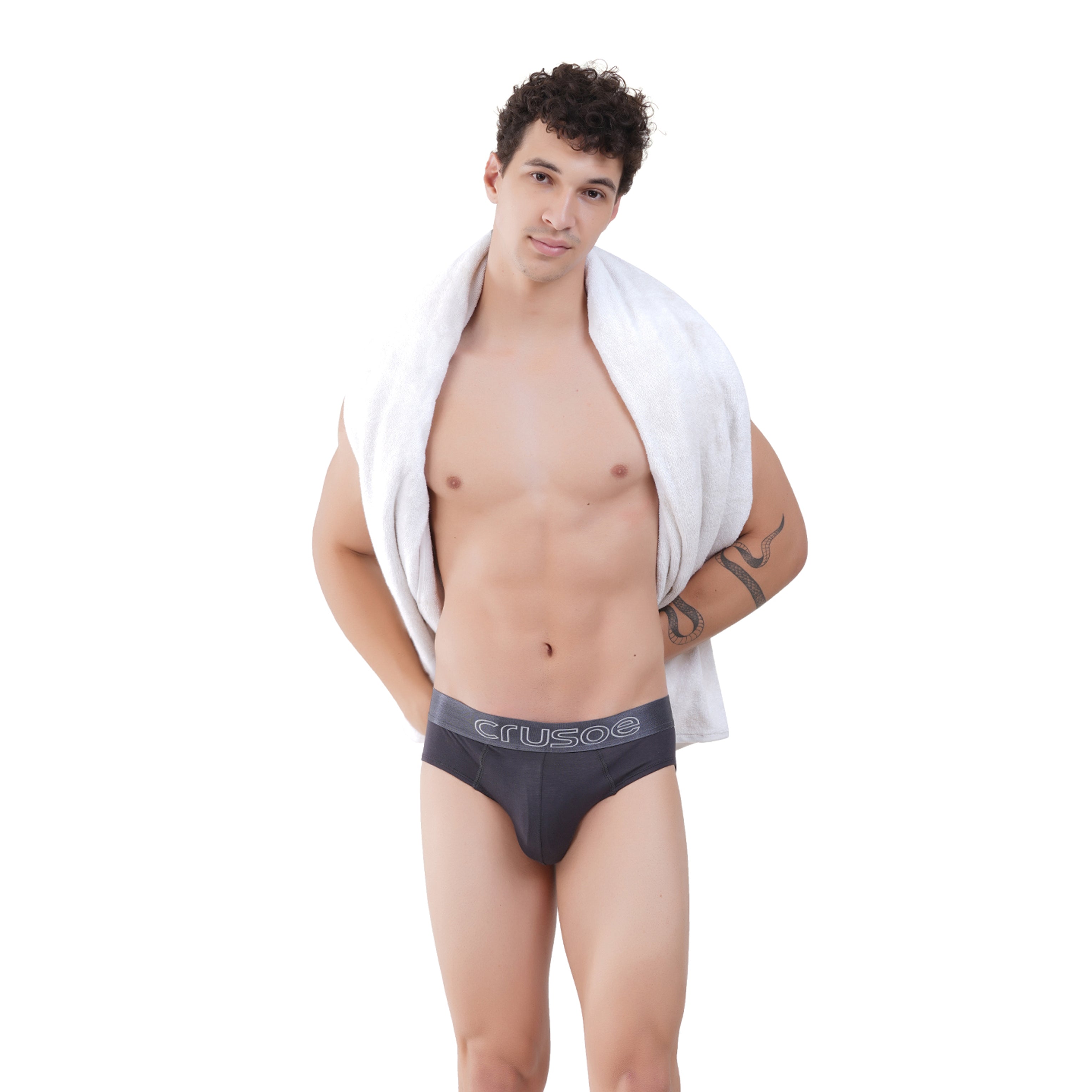
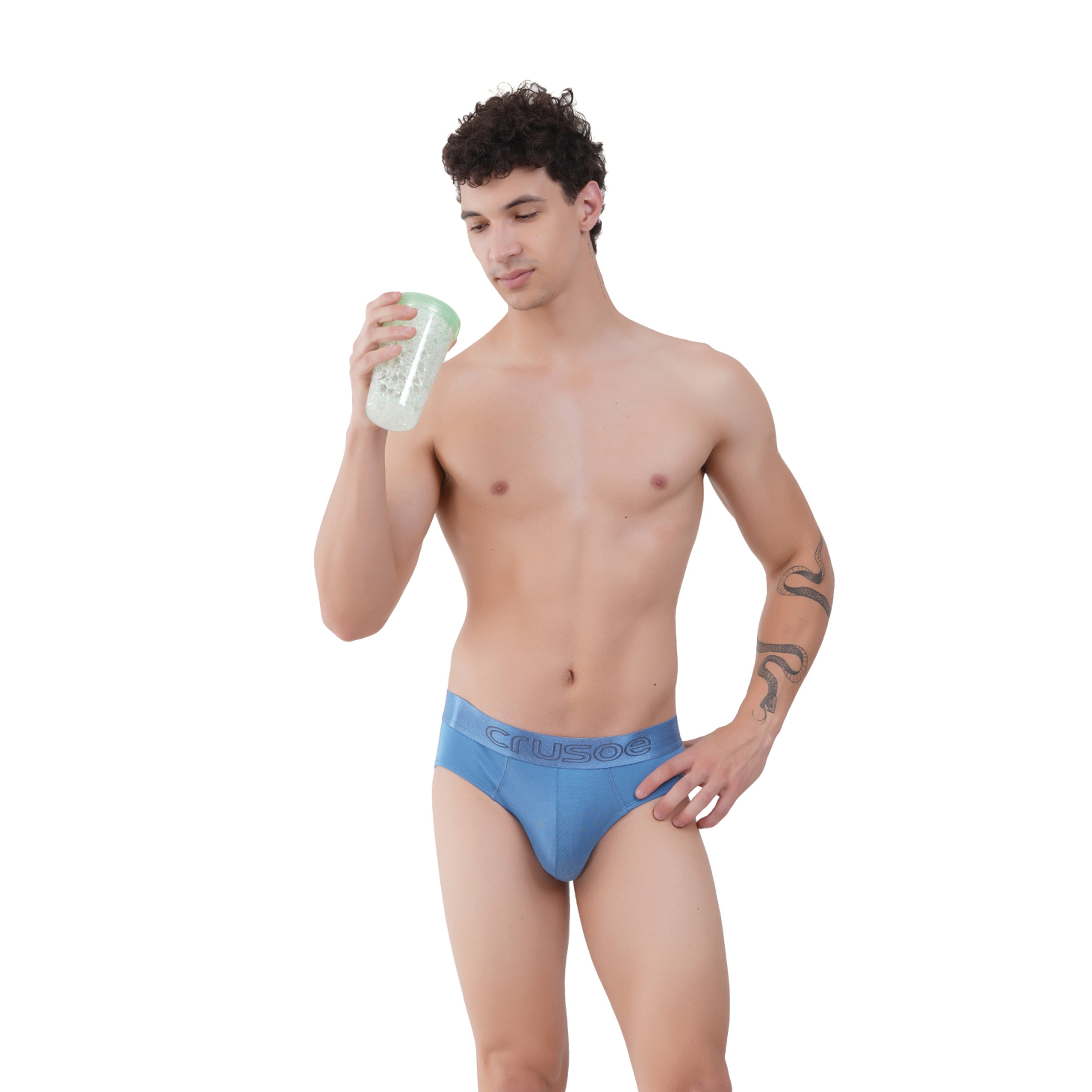
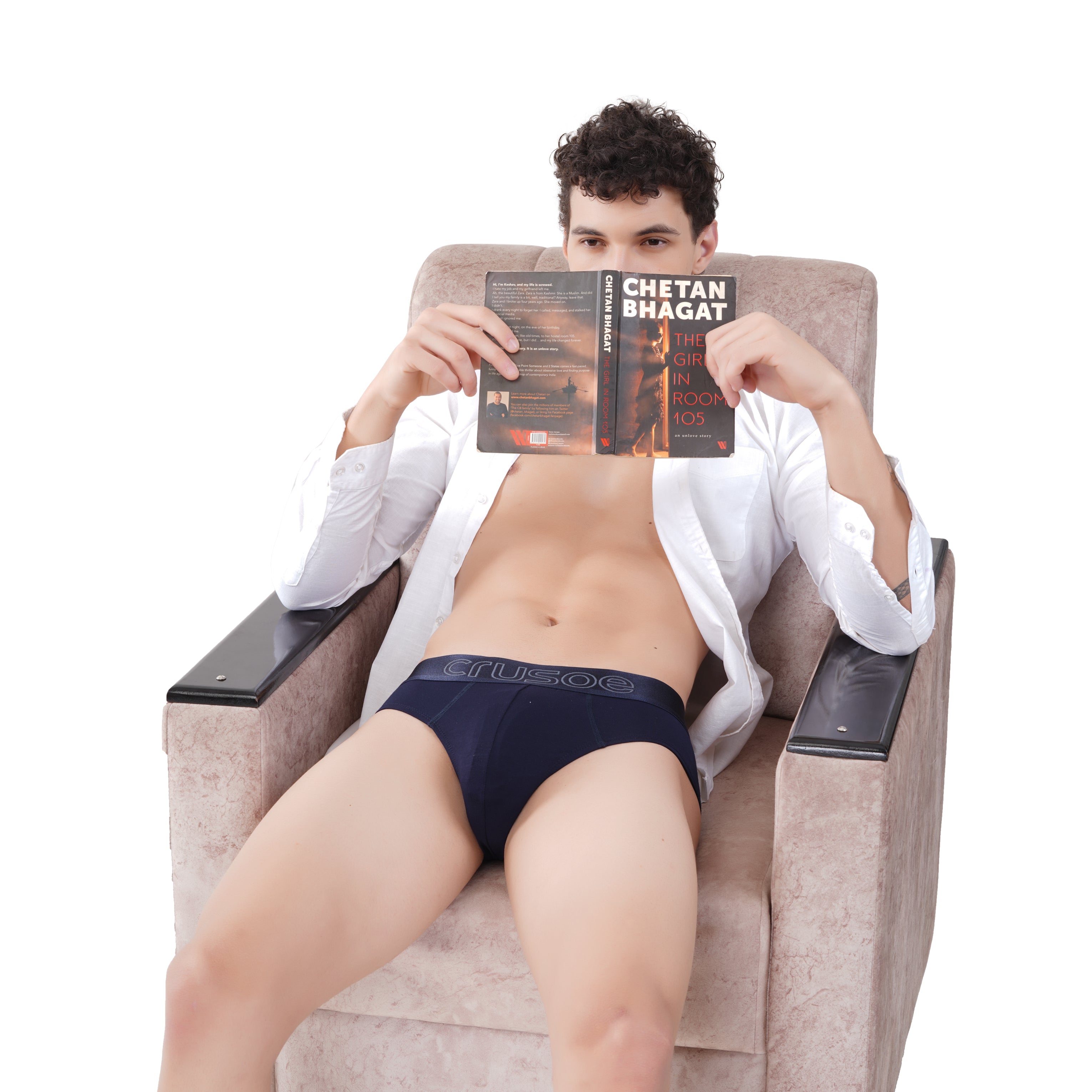
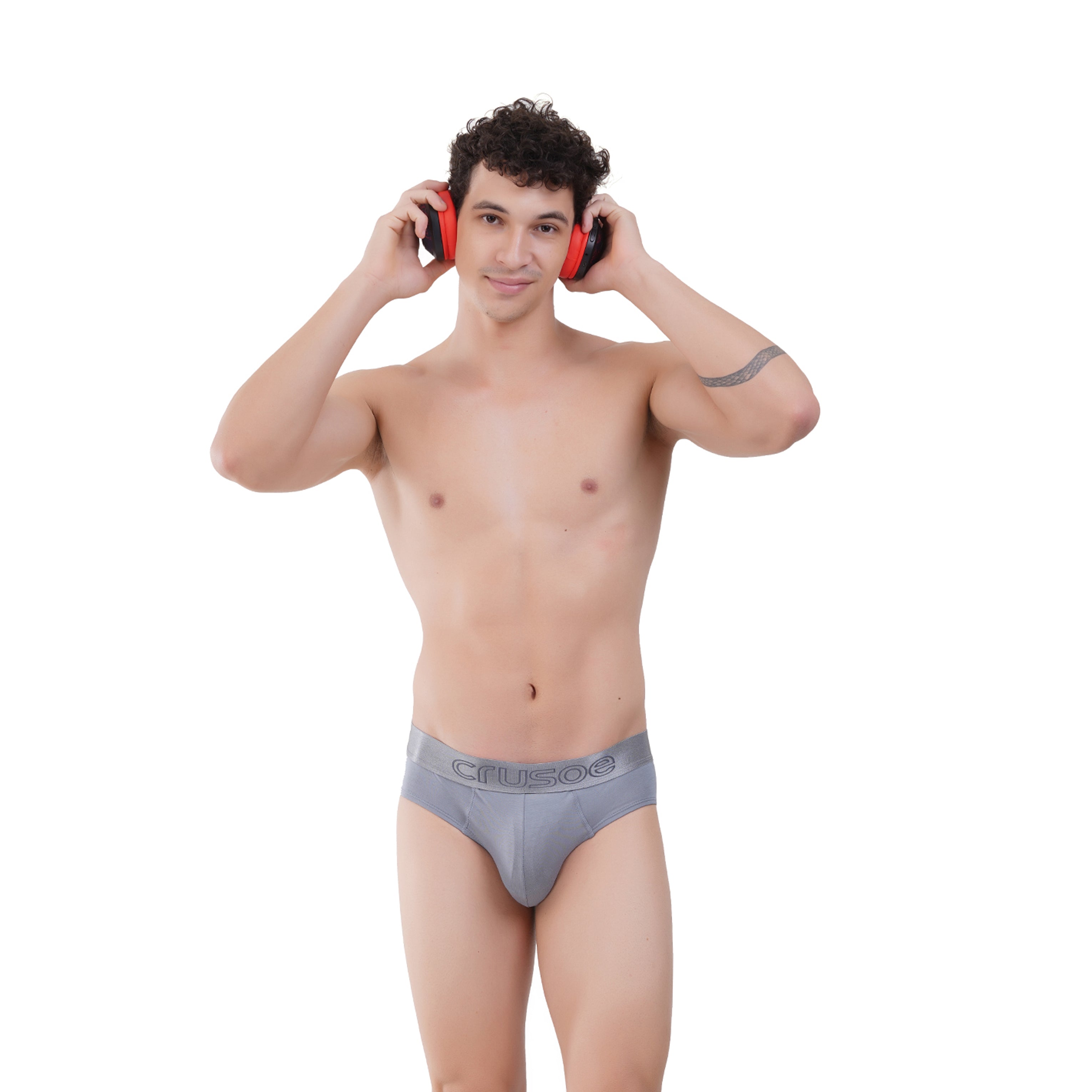
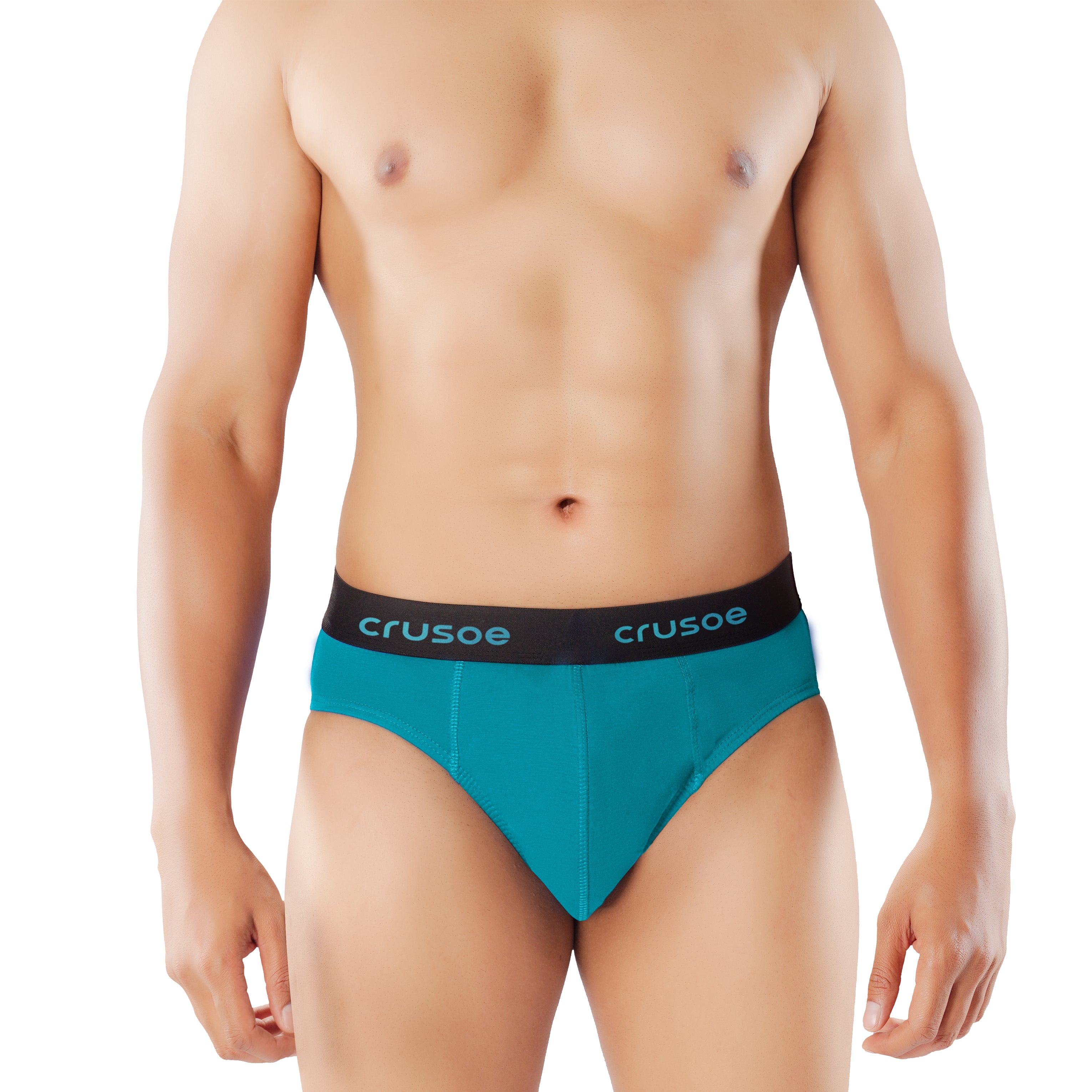
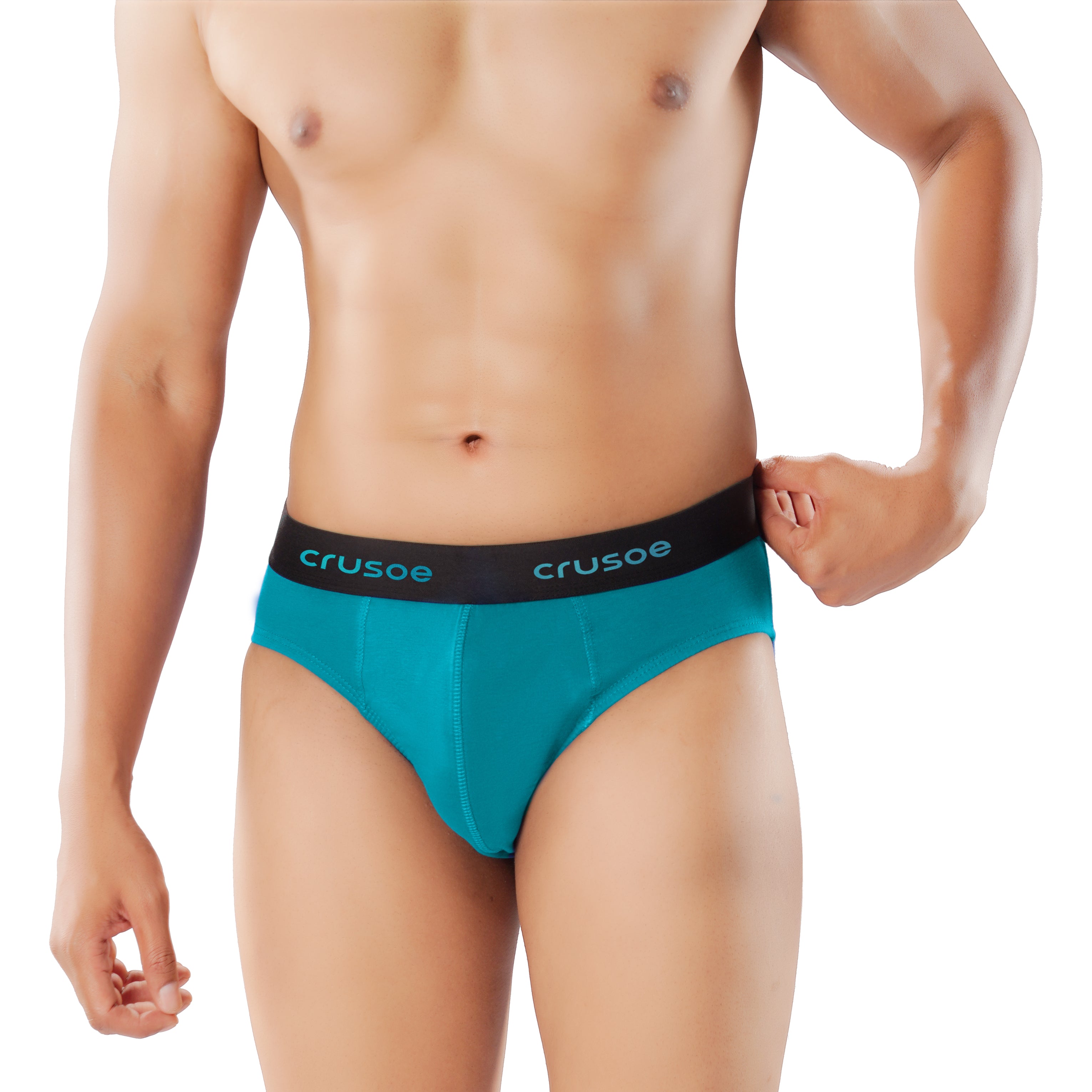
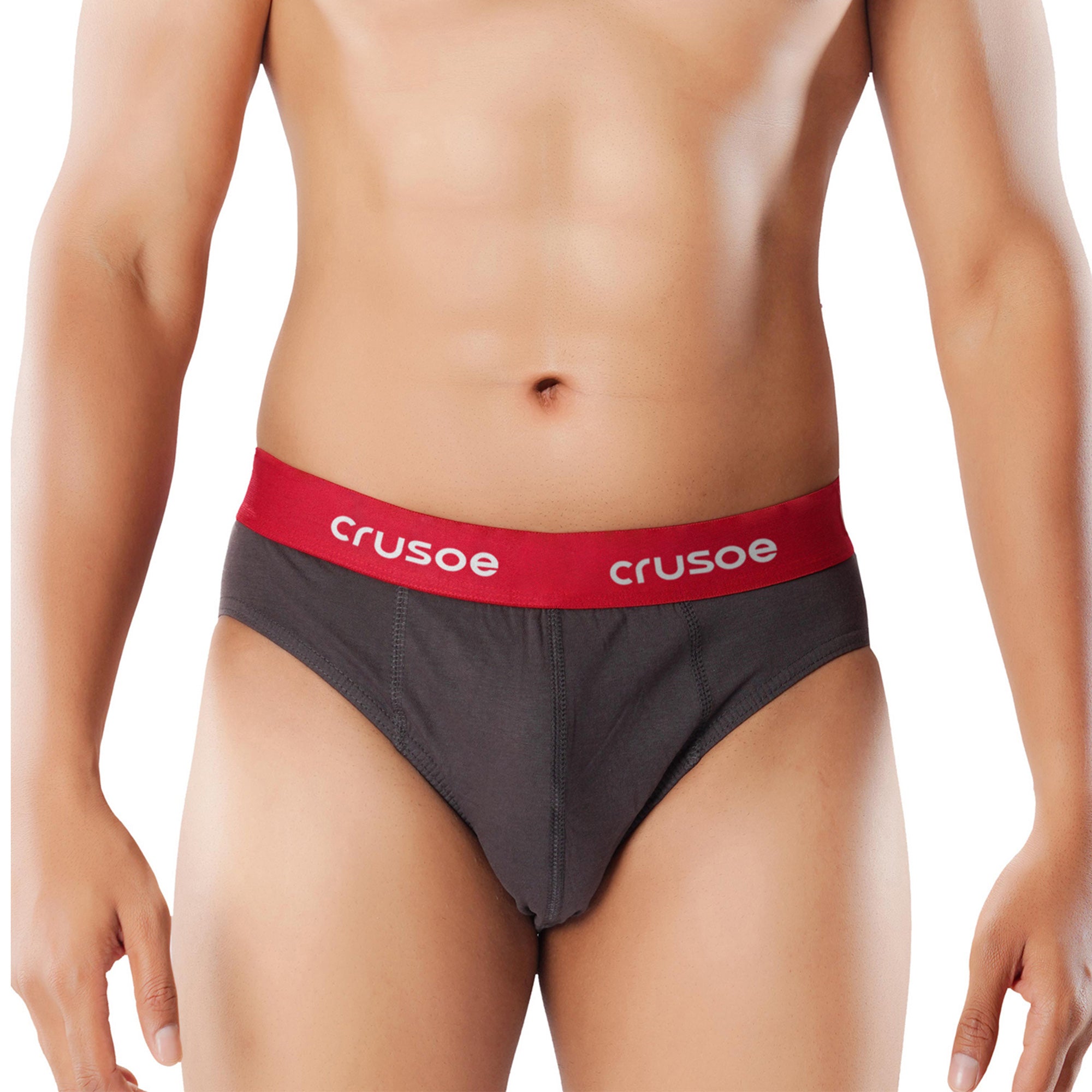
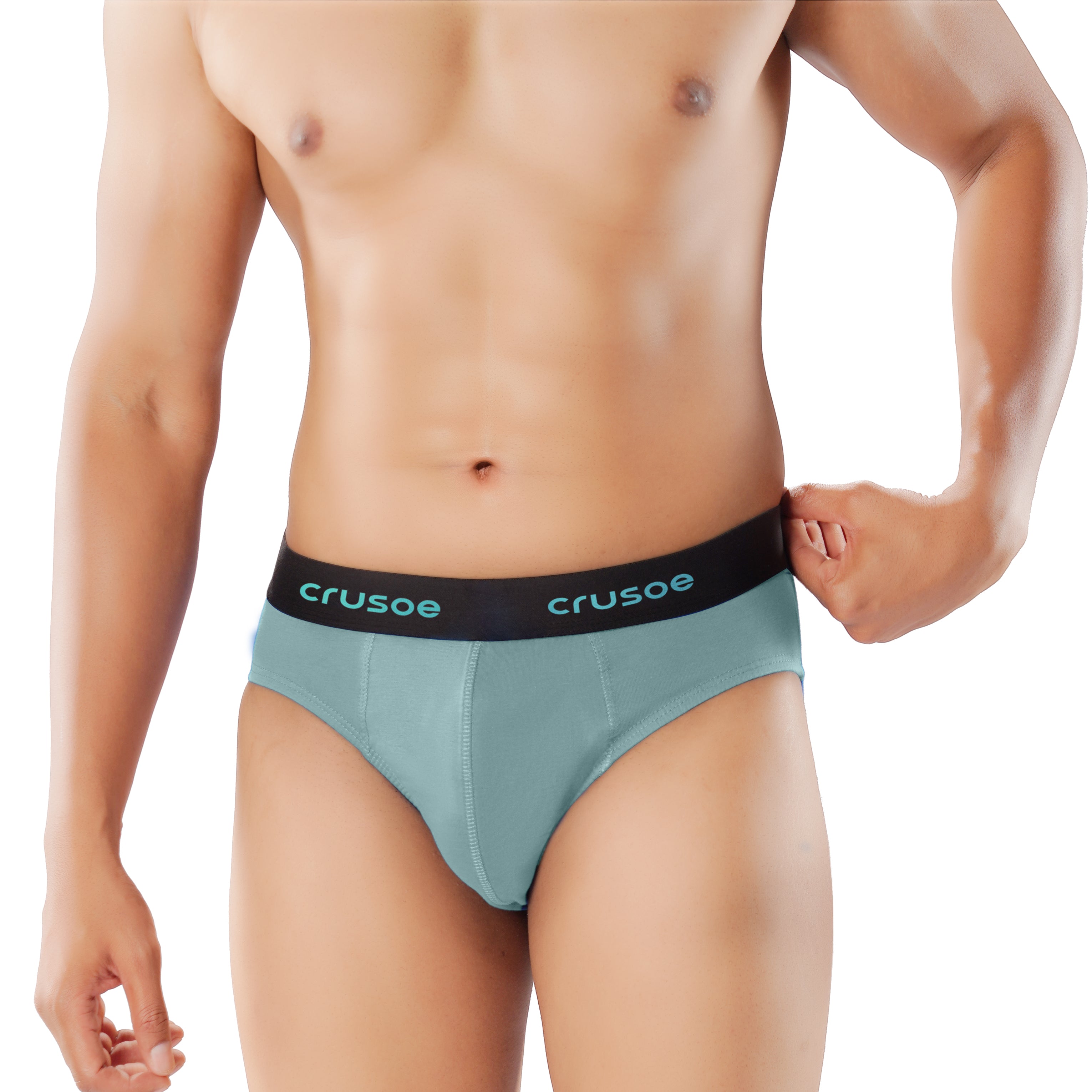
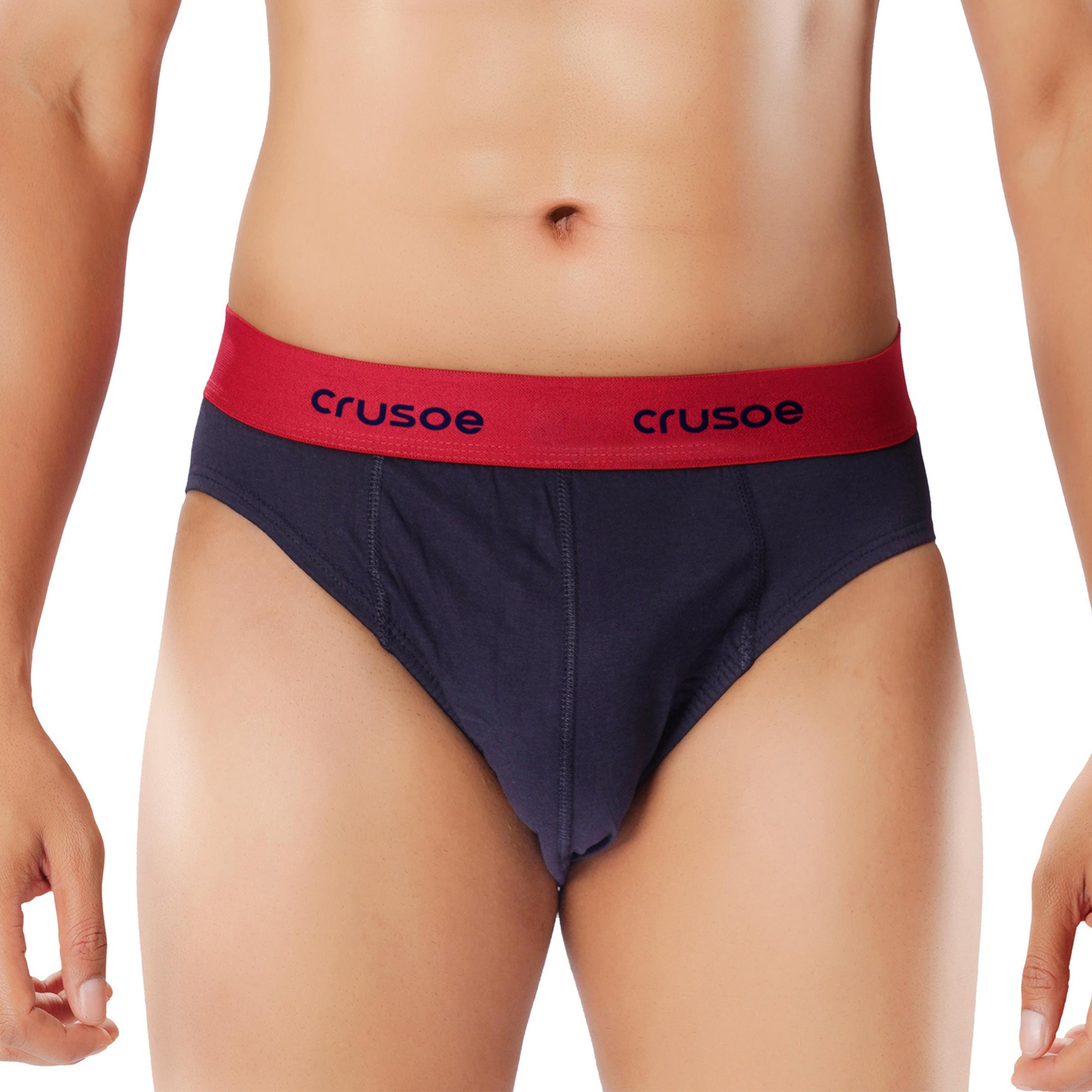
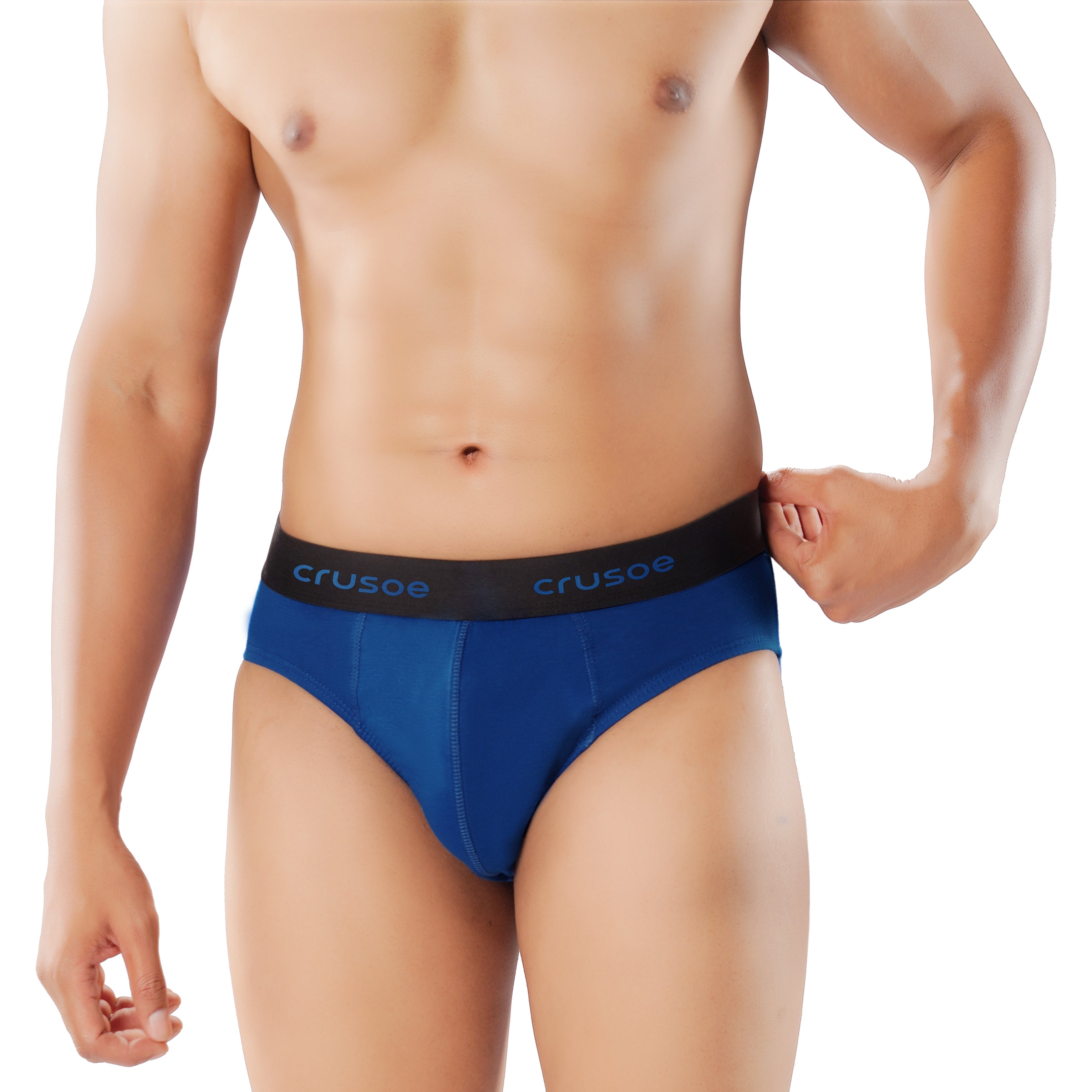
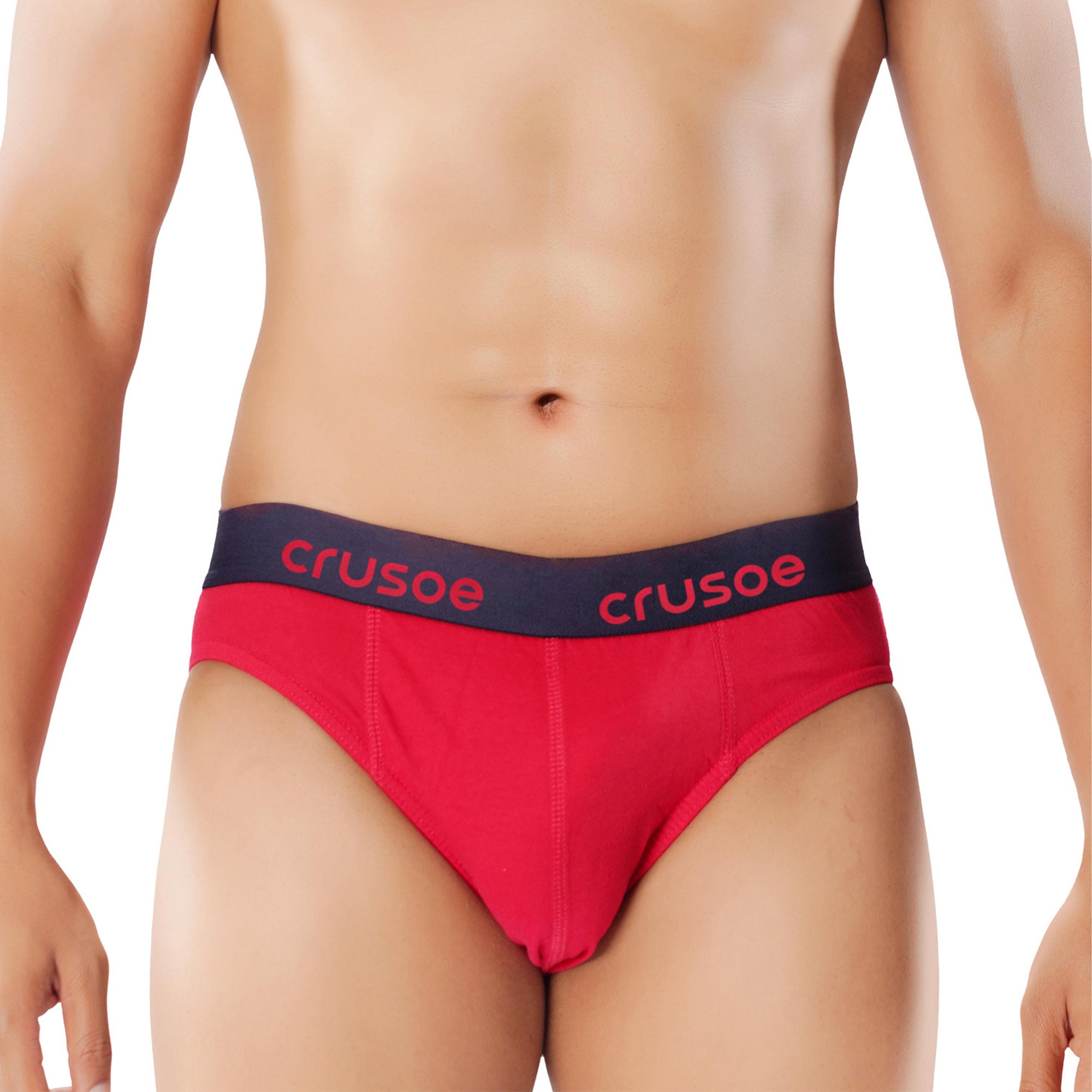
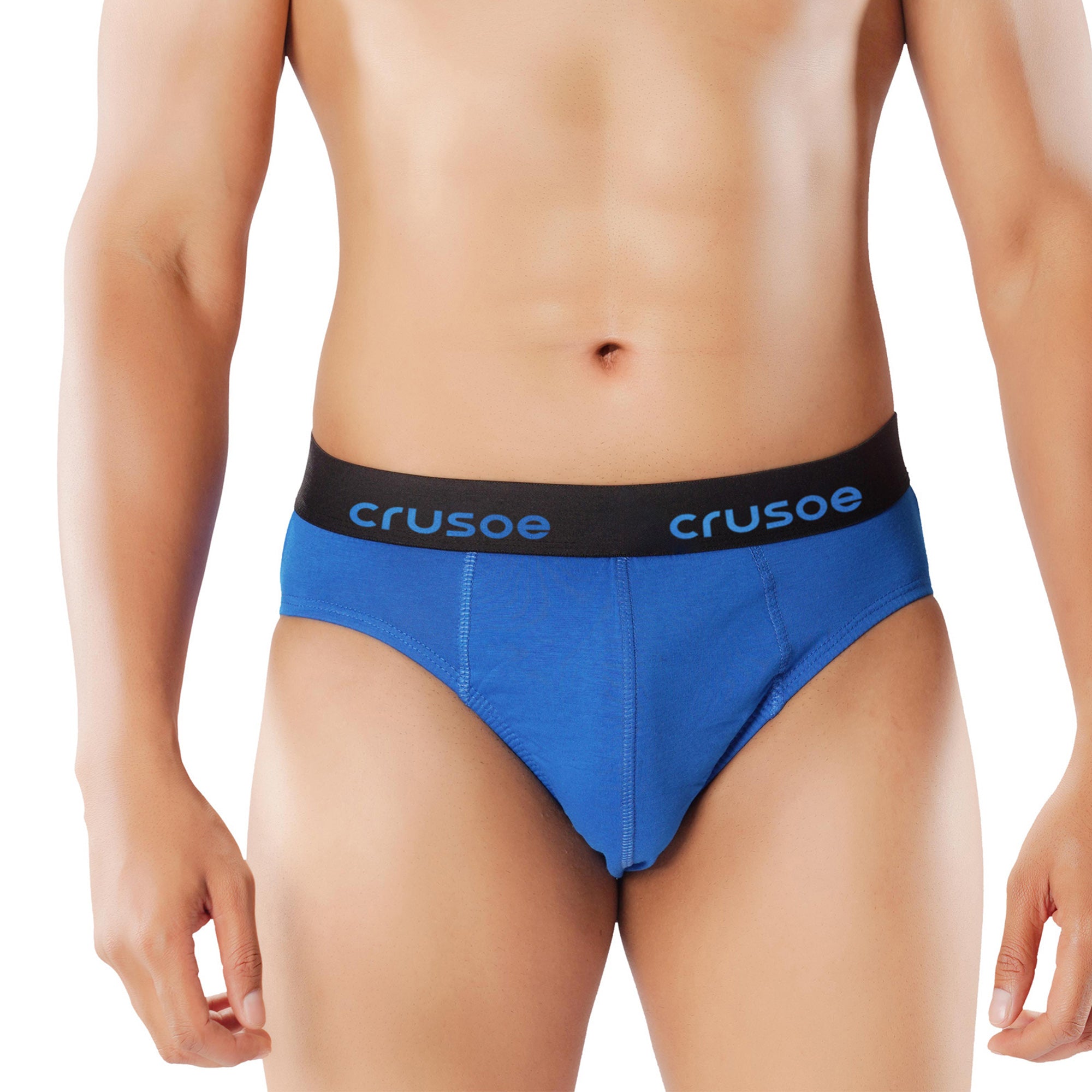
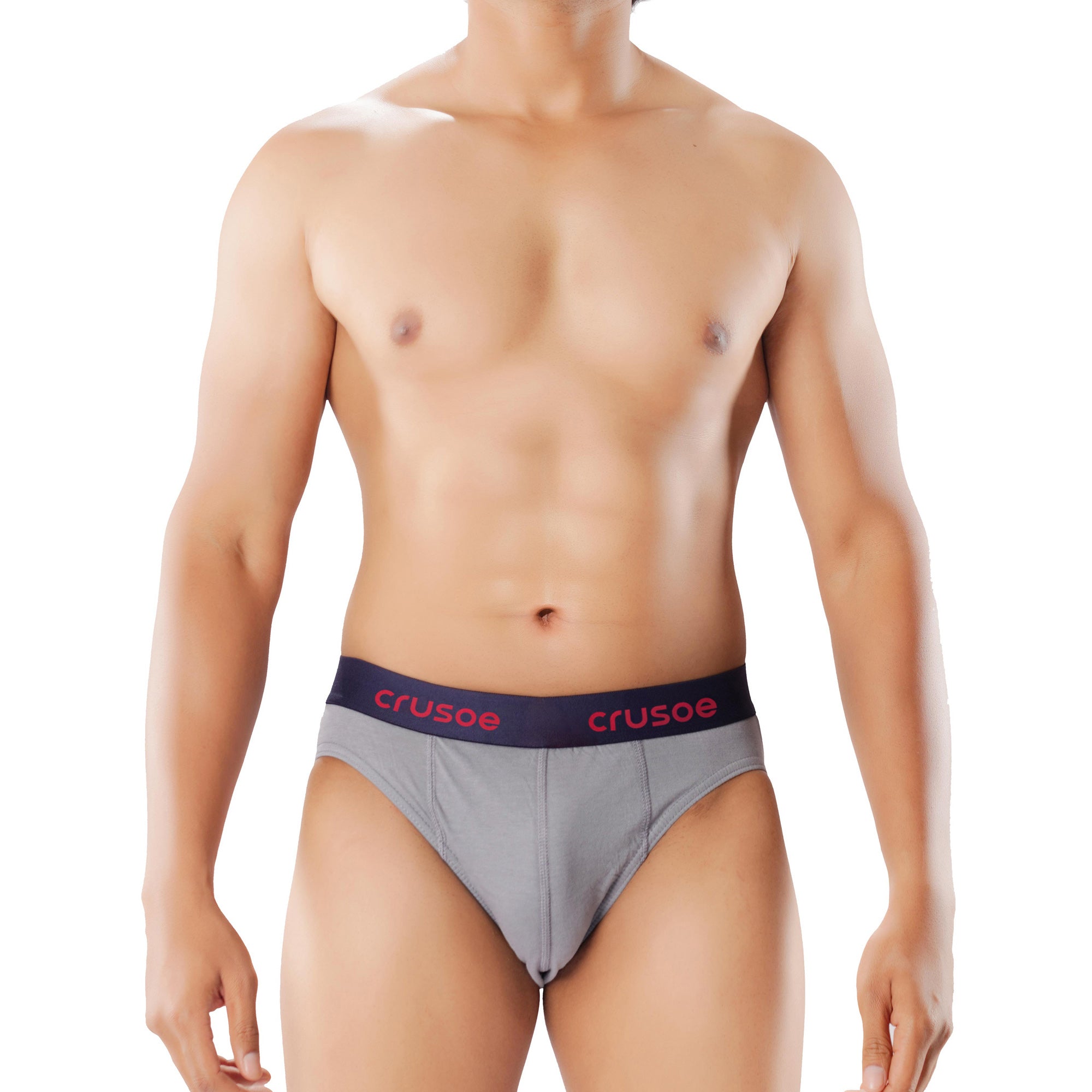
You don't need a special monsoon product or a complicated routine to fix the discomfort you've been dealing with. What you need is Crusoe innerwear for men: soft fabric, a waistband that doesn't fight you, a fit that stays where it's supposed to.

Crusoe's trunks, mens vests, and track pants are built around exactly that. Soft on skin, structured where it matters, and made to handle Indian weather, not fight against it. Whether it's a Crusoe vest you're wearing under a branded t shirt all day or sports track pants you're moving around in at home, the difference comes down to what it's made of and how it fits.
Monsoon is already uncomfortable enough. Your innerwear shouldn't be adding to it.
Explore Crusoe innerwear at crusoeworld.com.